
Pitched as Rugby’s Greatest Rivalry, a tour of South Africa with a chance to watch the All Blacks was too good for this rugby fan to pass up.
The last time I travelled to South Africa, I was 25 years old and stupid enough to think that travelling from Nairobi, Kenya, to Cape Town, South Africa, on an overland truck was a good idea. The trip was run by a driver/guide, whom we named ‘Dodgy Ron’, in a truck that had a penchant for breaking down and blowing tyres. We slept in tents put up wherever we stopped for the night, usually on the side of the road to save money. The toilet was whatever bush had enough leaves to protect what little dignity we had. Split into groups, we took turns at buying ingredients and cooking dinner on a fire that the fire group had built and kept burning long enough for meal preparation to be finished. At the end of the overland, I spent a month in Cape Town in an 8-bed mixed dorm. Needless to say, I was looking to see South Africa in a little more comfort this time — with a rugby tour as the perfect excuse.
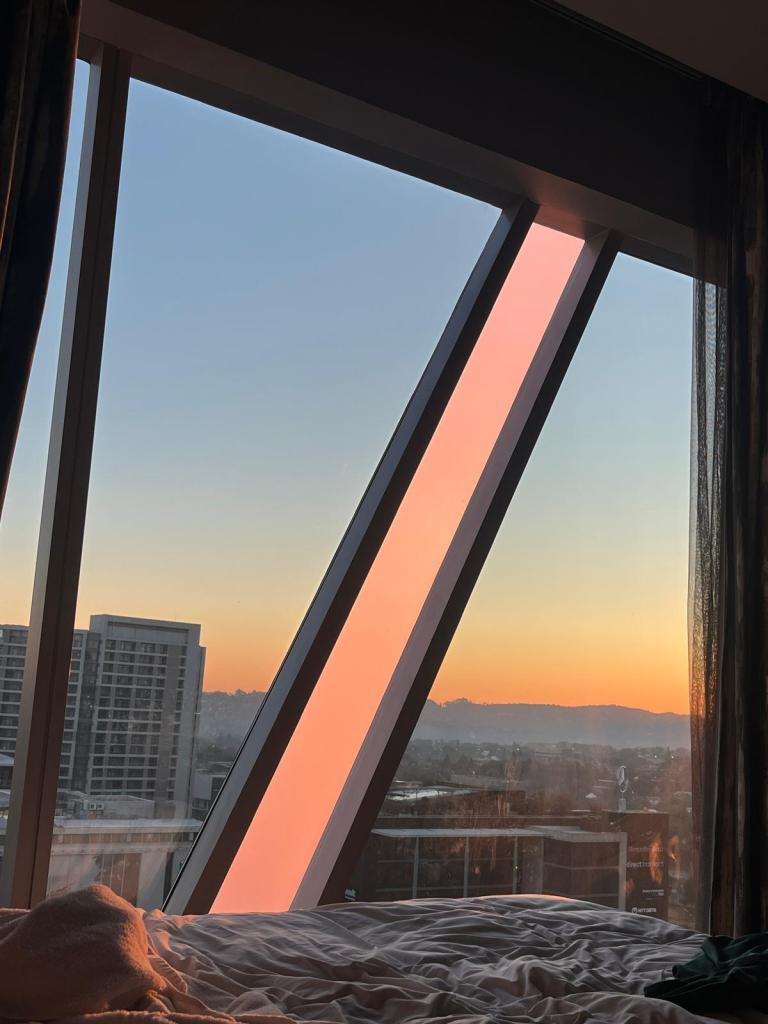
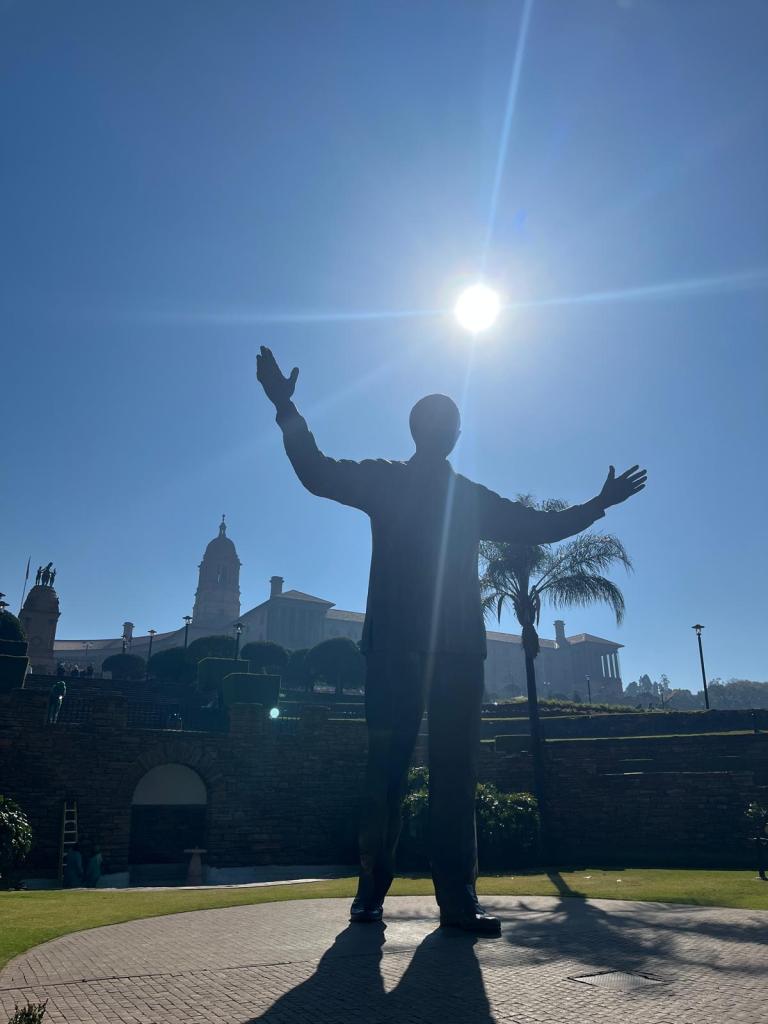
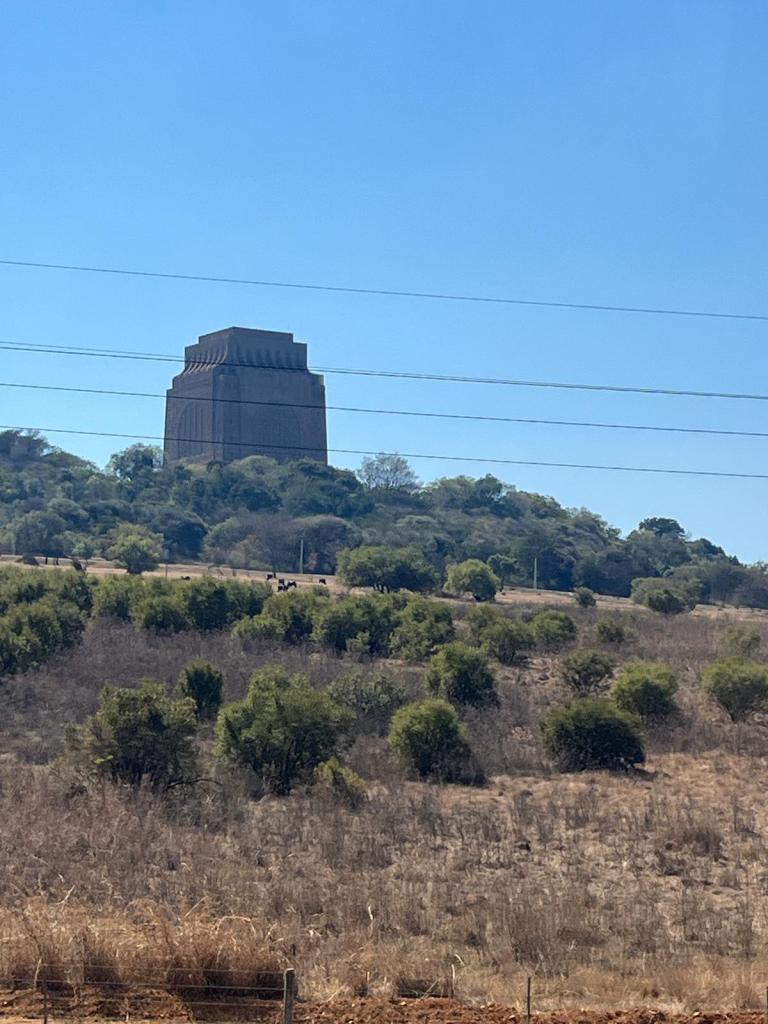
We started the tour with a couple of nights in Pretoria, staying at The Maslow, Time Square, to adjust to our new time zone. I had a head start on the rest of the group, who had flown from New Zealand, as I arrived from London with only an hour’s time difference to deal with. I’m not going to lie, the effects of the 11-hour flight still took some time to get over. There was no time to wallow, though; in the best traditions of touring, we were up and at ’em the next day on a guided tour of ‘The Jacaranda City’. The weather gods put on a stunner for our first taste of South Africa, where we saw the Voortrekker Monument, built on a hilltop to commemorate the Voortrekkers (descendants of early Dutch, German, and French settlers in South Africa) who left the Cape Colony in the early 1800s to escape British rule. We stopped for a photo in front of a huge Nelson Mandela statue and visited Freedom Park, home to many monuments, each with a list of names of those killed in conflicts including the South African Wars, World Wars, and the apartheid conflicts. It was interesting to visit the capital city, and the welcome drinks and snacks gave us our first taste of how well the country does food and beverage. See similar half-day city tour – HERE
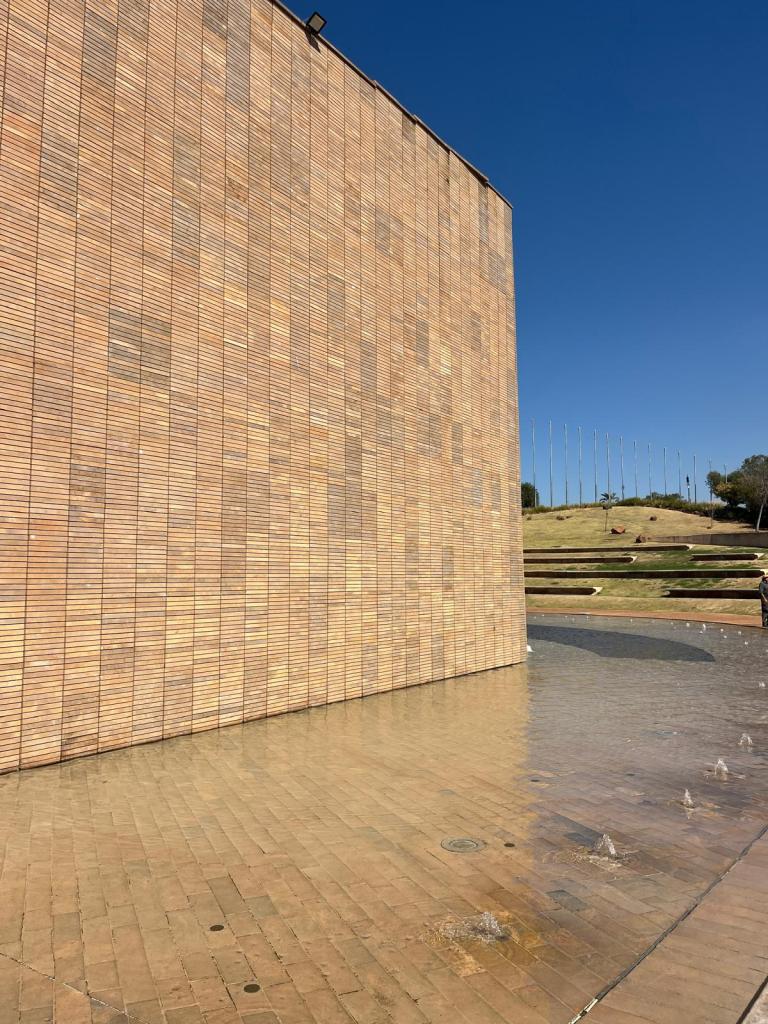
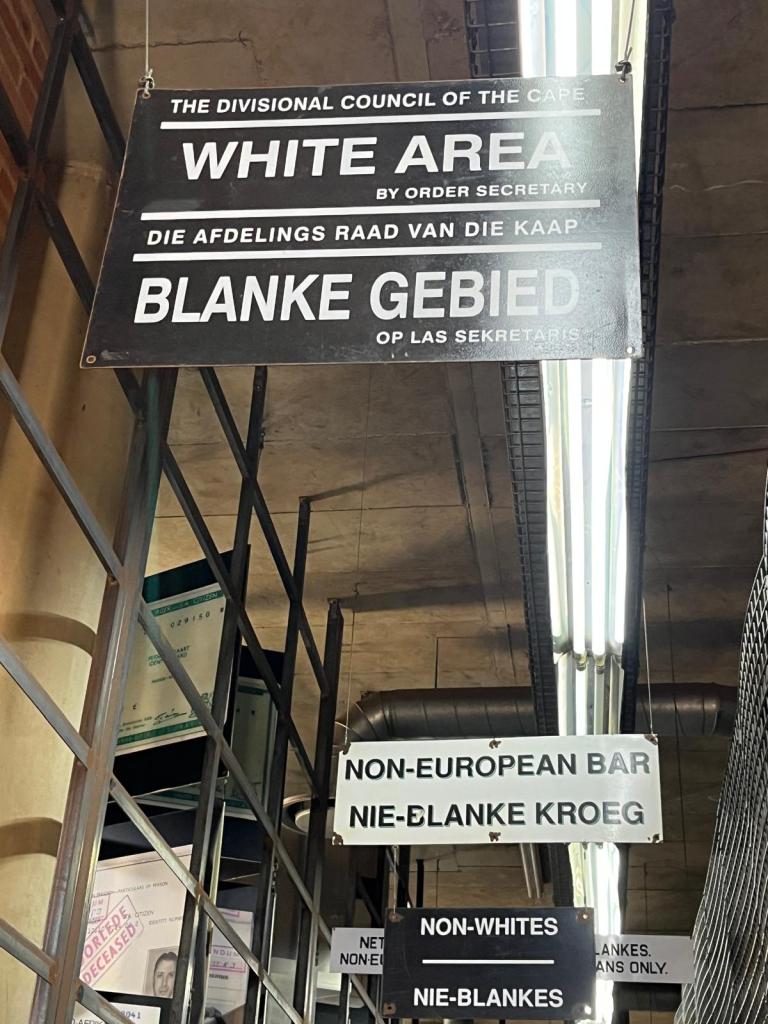
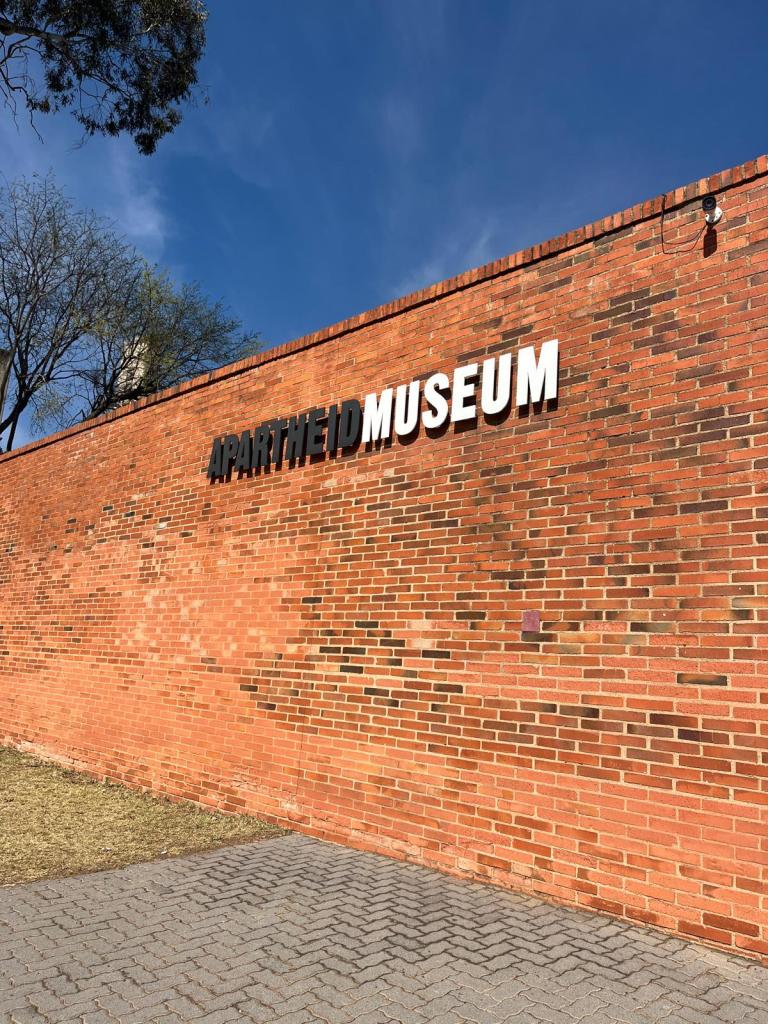
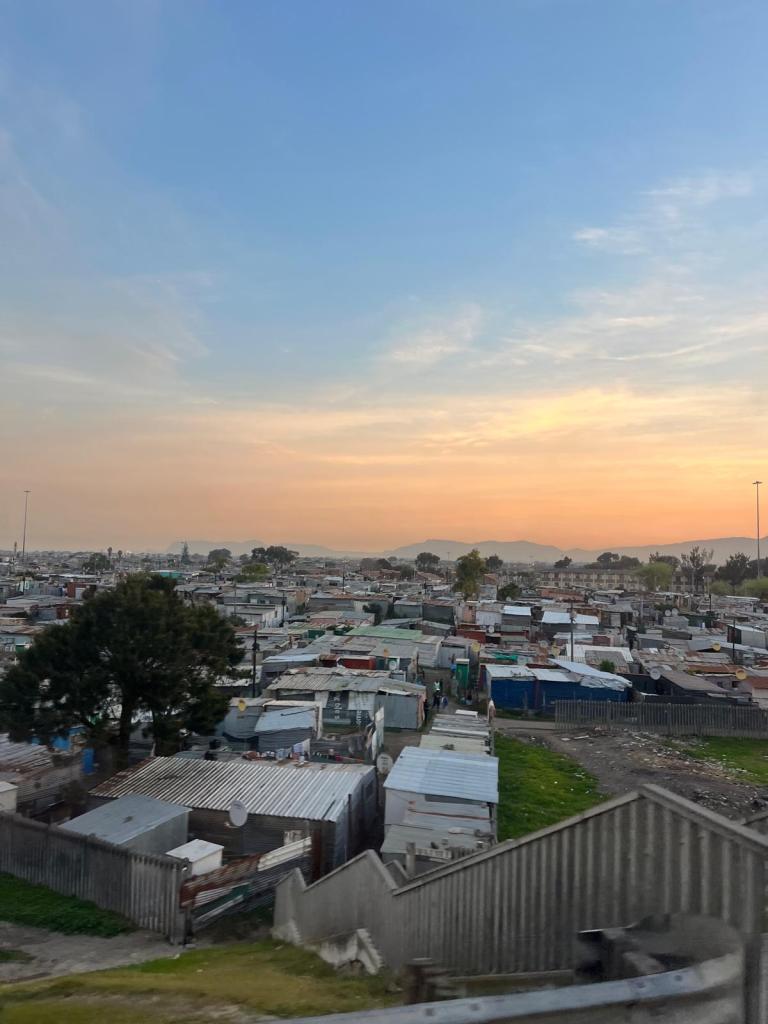
We had two stays in Johannesburg: the first straight after Pretoria, the second as our final stop before flying home. It was during this first stay that we made our way to Ellis Park for one of the Test matches — more on that later. Johannesburg itself was interesting. Is it somewhere I’d go again? Short answer: no. It has an interesting history, a lot of it challenging, which we experienced during a visit to the Apartheid Museum, well worth the confronting nature of it. A visit starts with being issued a ticket assigning you as either black or white; the ticket you receive dictates how you start your museum experience — a stark reminder of how recent the apartheid era actually was. We took a drive into Soweto and stopped at the former home of Nelson Mandela. Soweto (contraction of South Western Townships) started in the early 1900s as a segregated community for black workers. The student uprising in 1976 protesting the compulsory use of Afrikaans as the language in schools resulted in many deaths and brought global attention to the apartheid regime. Today, Soweto is home to over two million people in homes that range from palatial to very basic tin structures. Nelson Mandela lived at 8115 Vilakazi Street from 1946 to 1962, moving in with his first wife, Evelyn, and later sharing the home with his second wife, Winnie.
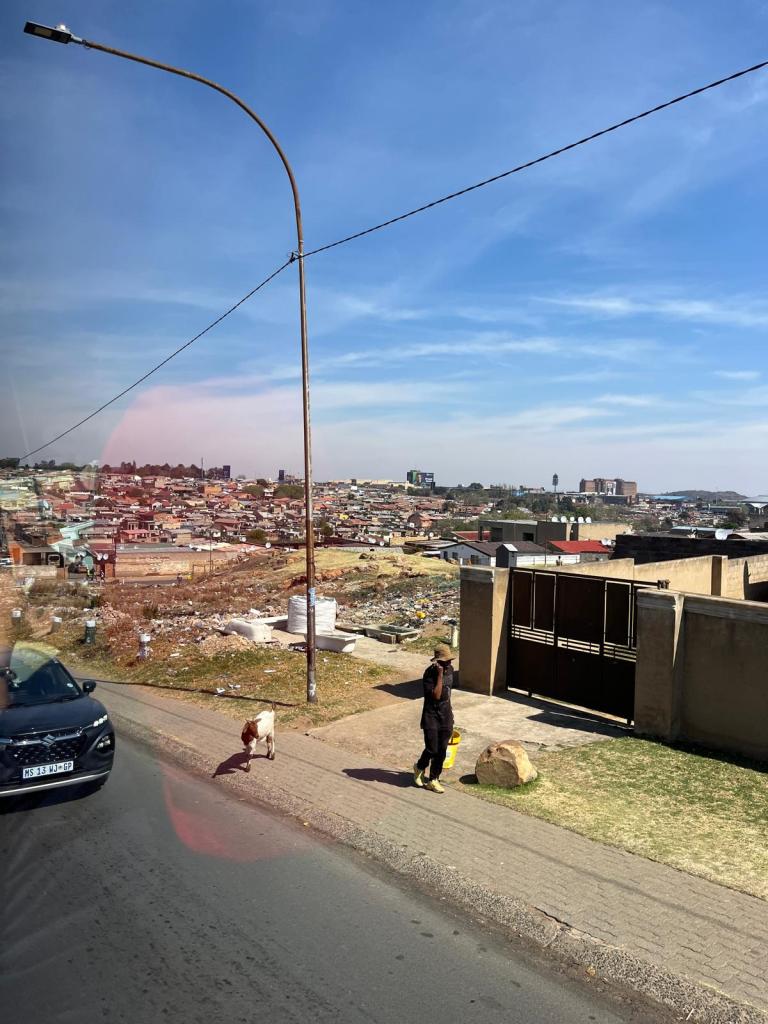
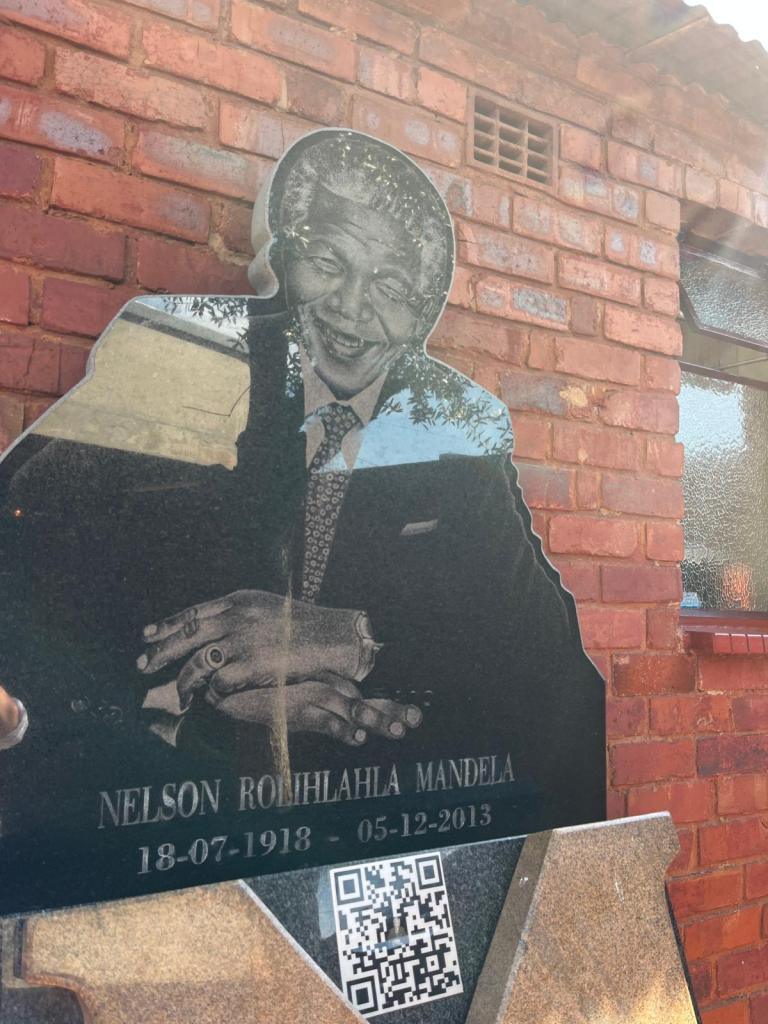
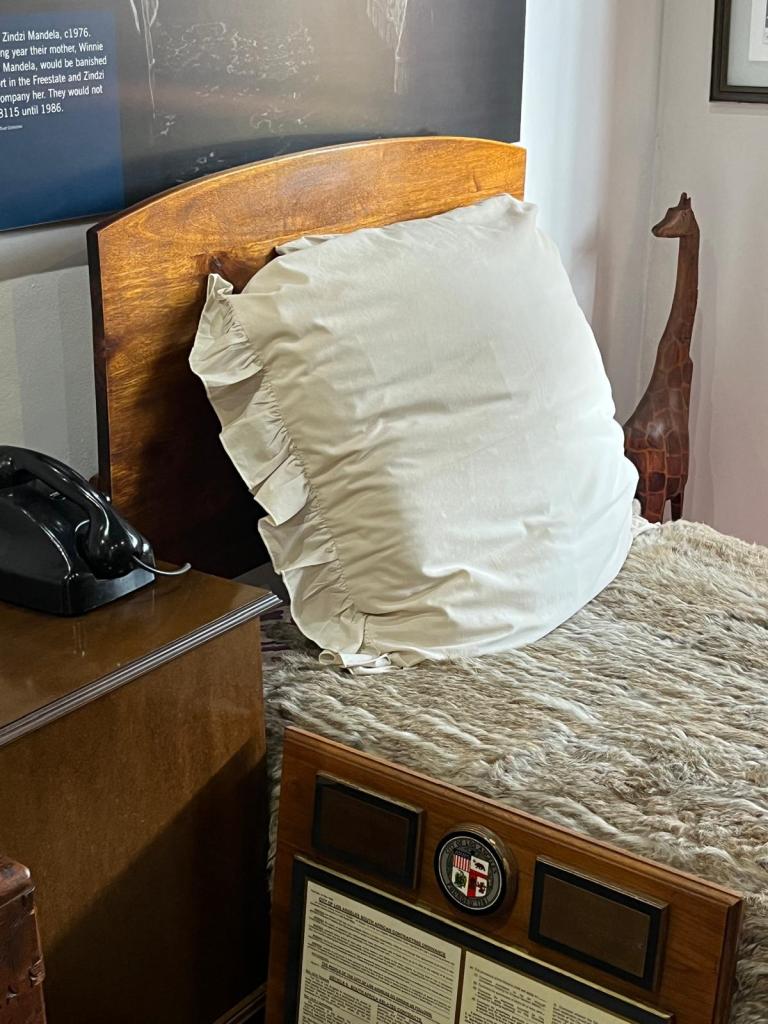
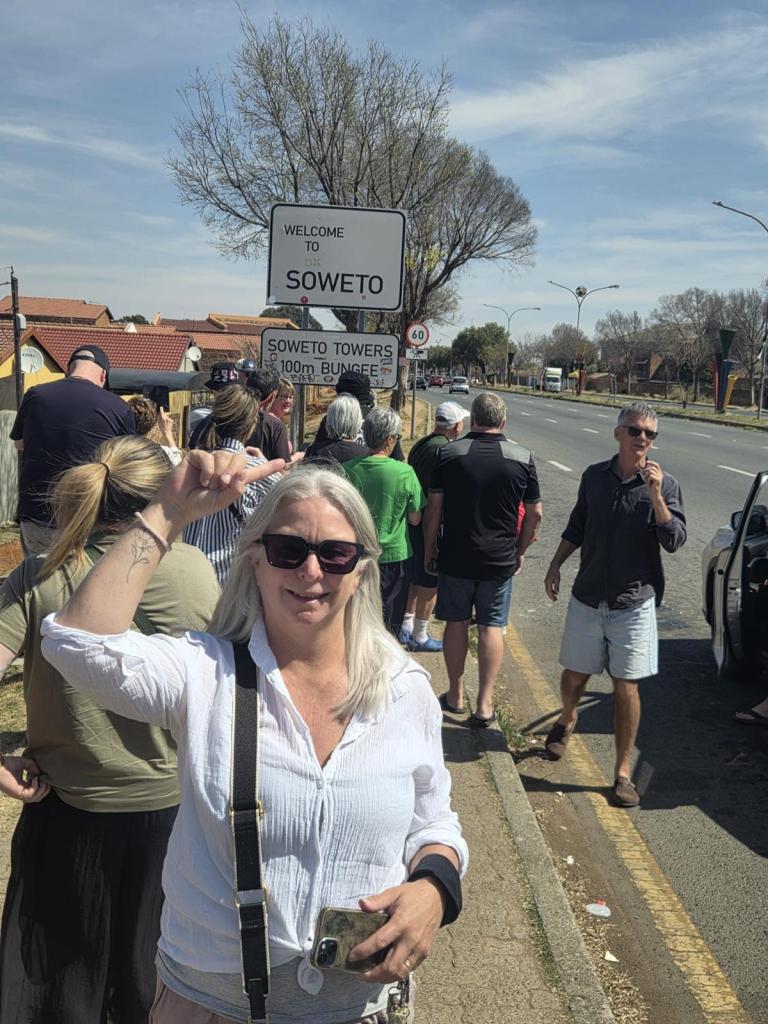
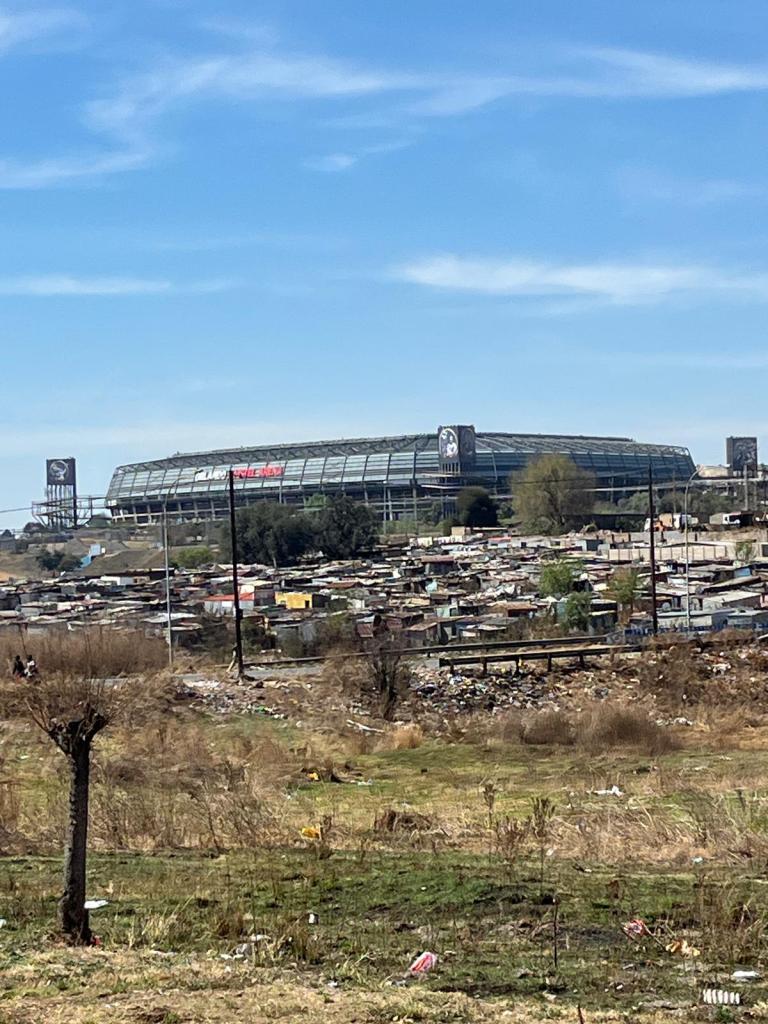
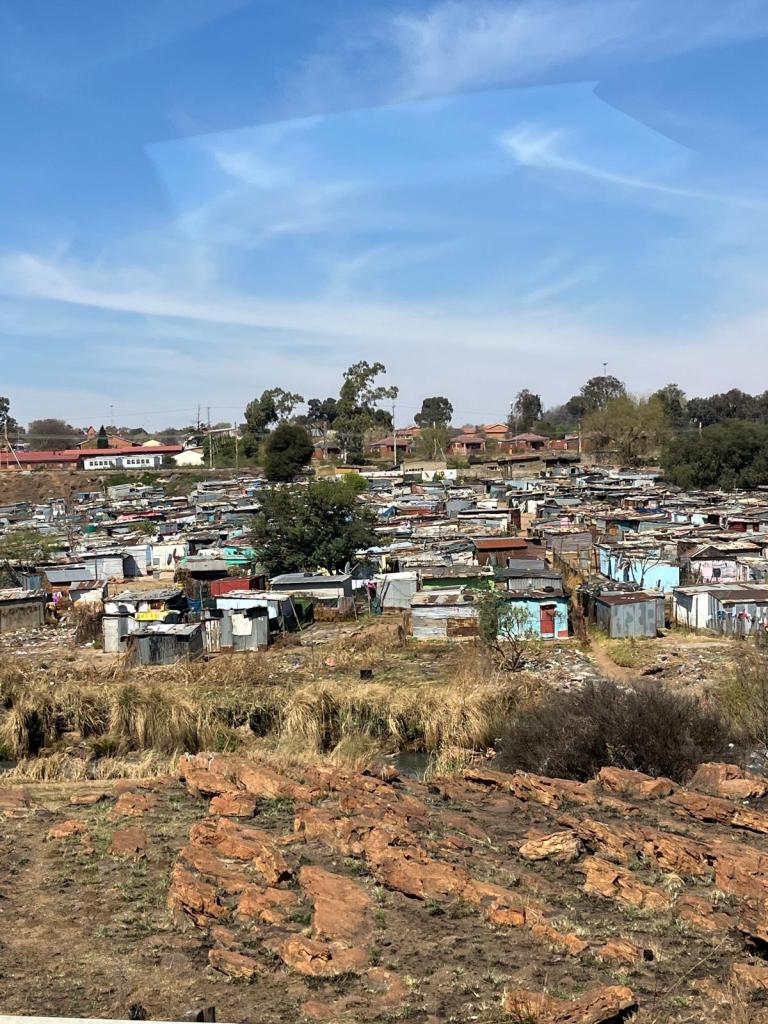
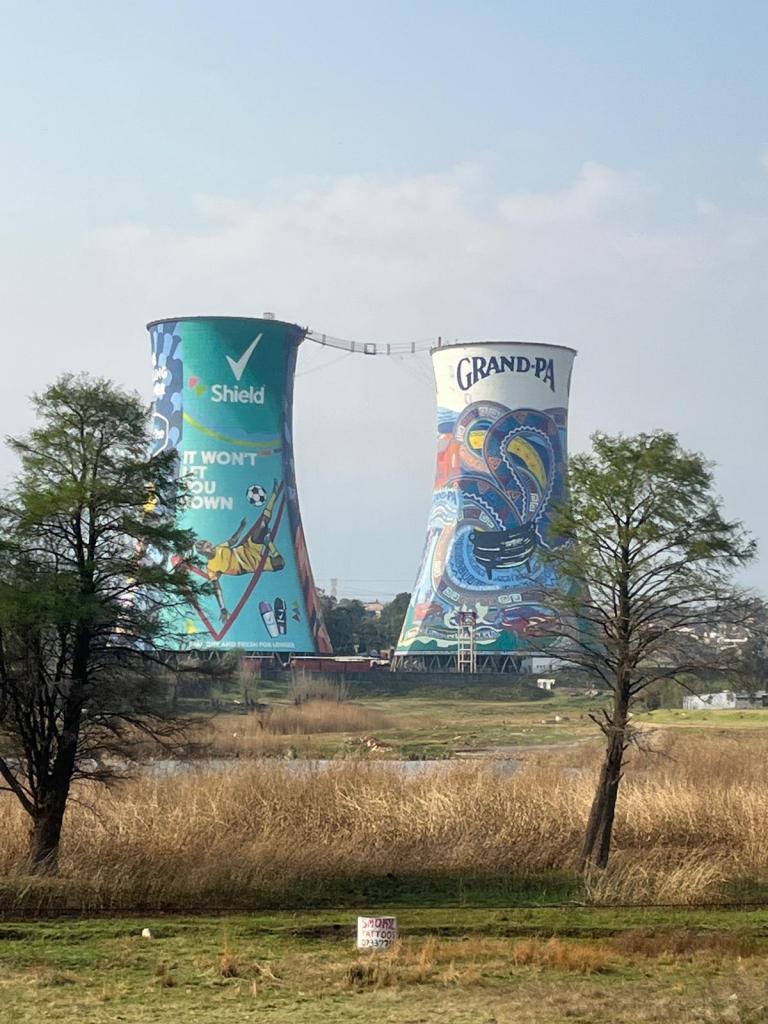
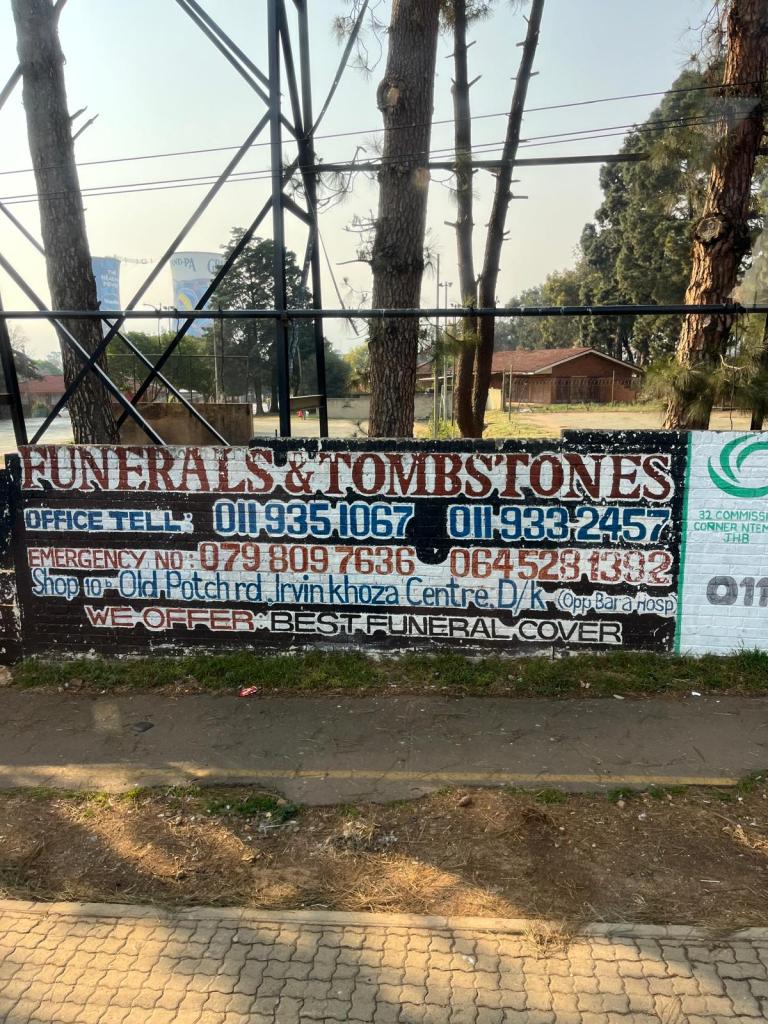
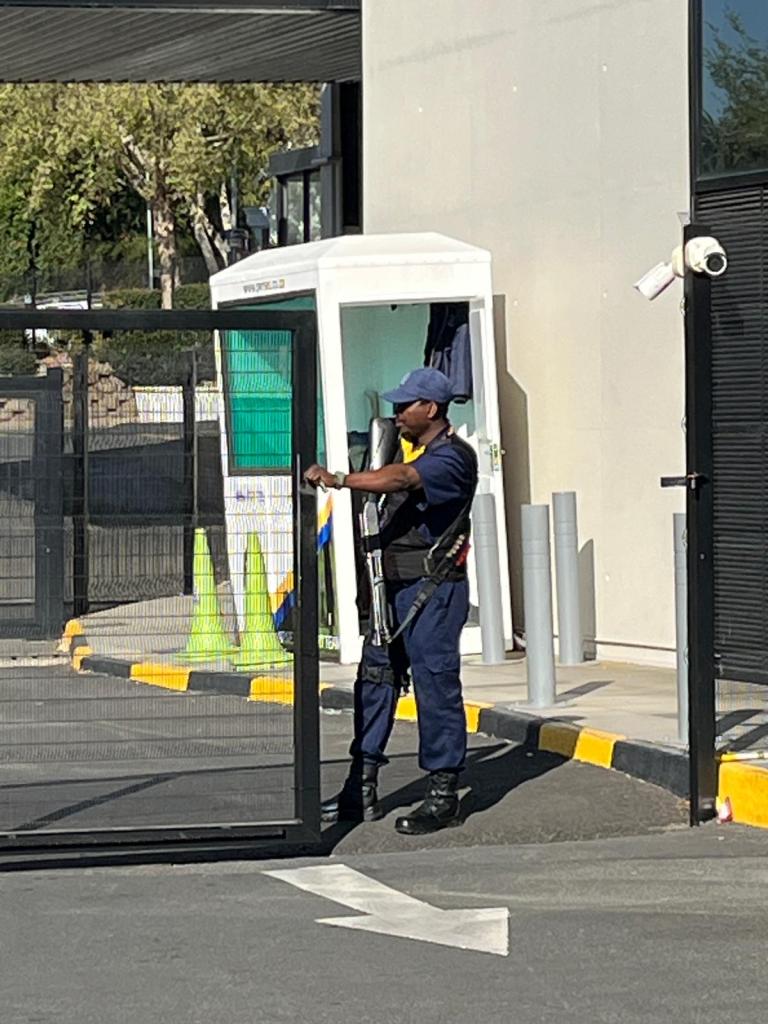
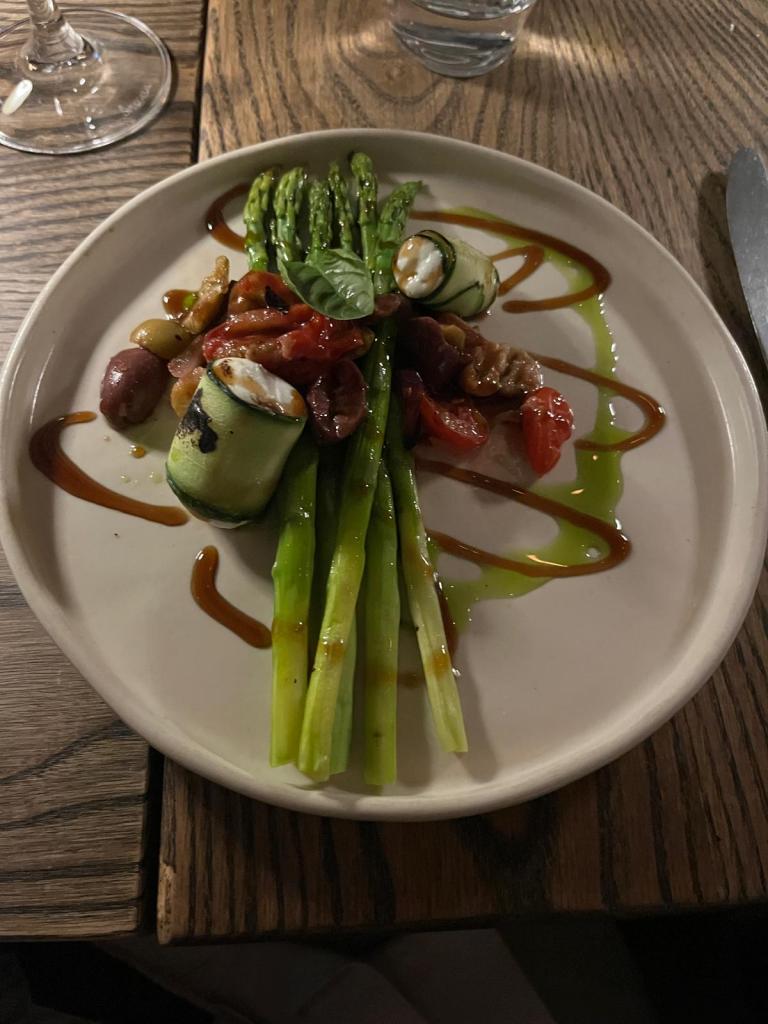
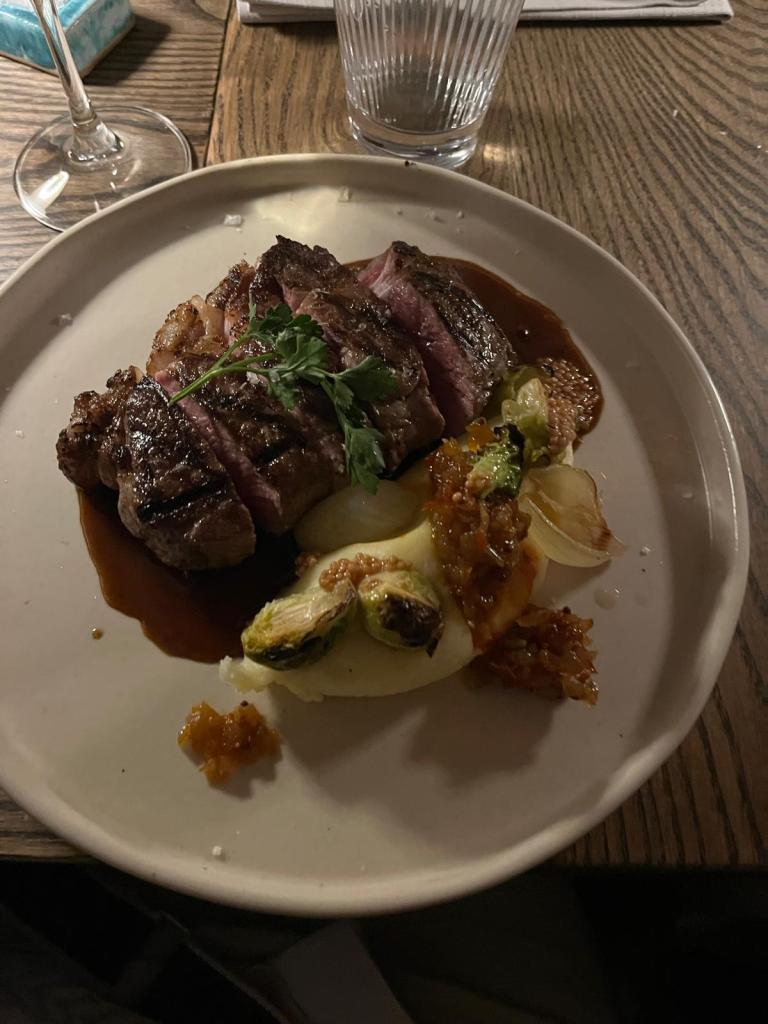
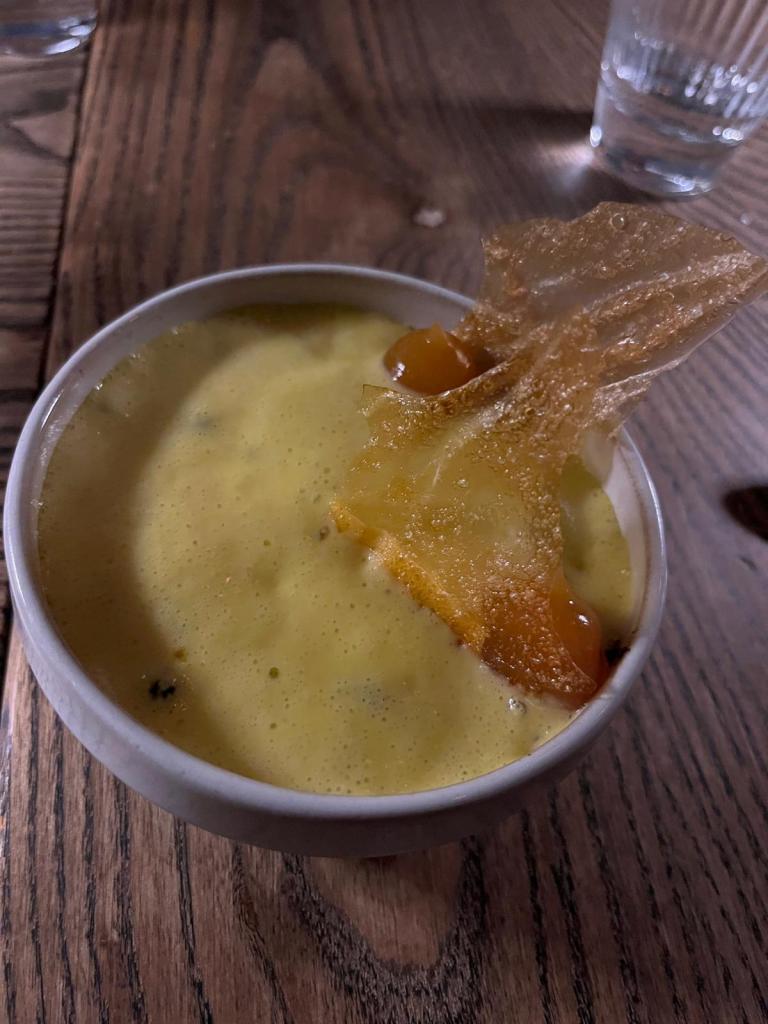
The difference between the ‘haves’ and the ‘have-nots’ here is stark. Soweto is covered in rubbish; it’s everywhere, while in suburban Johannesburg there is no rubbish, but every home is its own prison. Each house is surrounded by high walls, topped with spikes or barbed wire, with lines of electric fencing to cap it off. It was rare to see people walking on the streets, and we were constantly told by armed guards at our hotels that it is not safe to even walk a short distance to local restaurants or shops. Once you get to the restaurants or shops, they are usually wonderful, including this feast below at Marble. However, for someone used to life in New Zealand, and having just come from a couple of months of solo travelling in the UK, the sense of not feeling safe wasn’t a pleasant one.
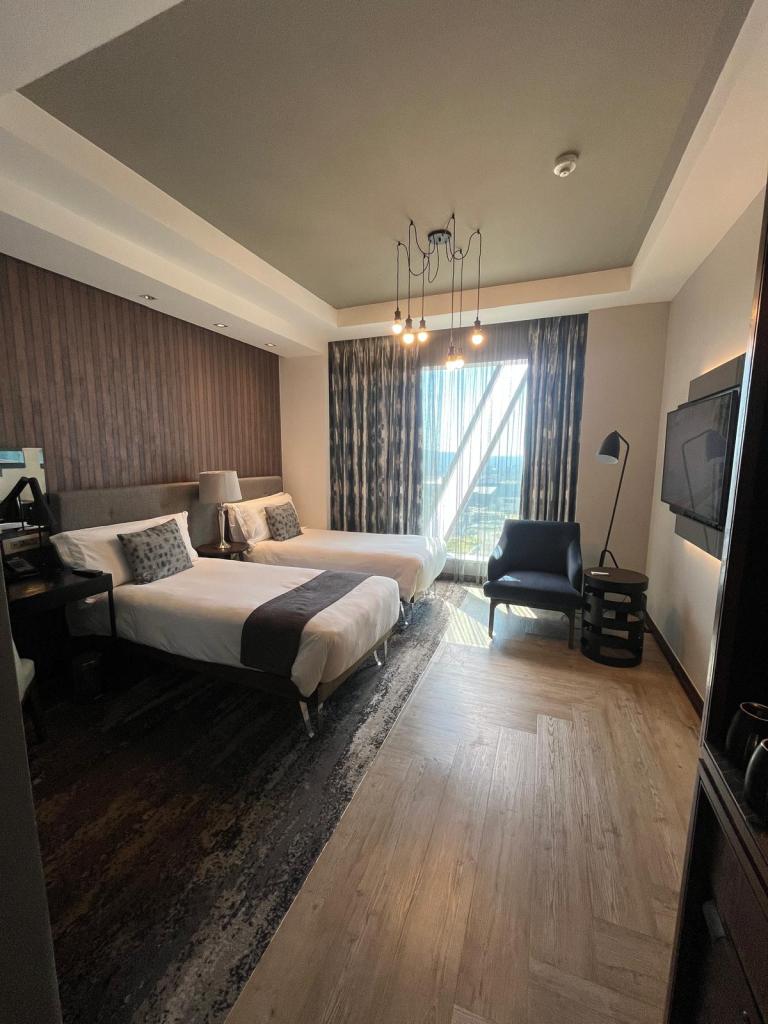
In Johannesburg, we stayed at both the Radisson Blu and the Radisson Red Hotels. Both of which I’d recommend. The Blu was a better hotel with a great breakfast buffet; the Red was a very short walk to a good shopping mall, which had an African market and plenty of food choices.
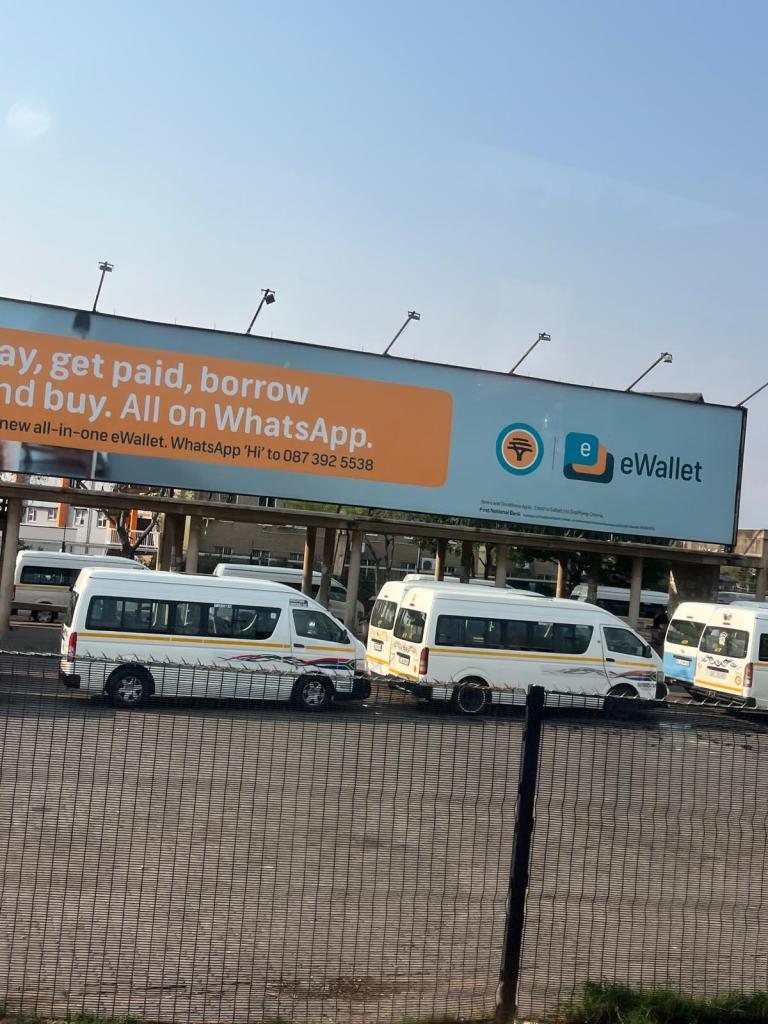
On a lighter note, we did learn how to hail a minivan taxi in Soweto — though I’m glad we didn’t have to do it ourselves, as I’m not sure where I would have ended up. An index finger up means you want to go into Johannesburg; the same finger pointed down indicates you just want to go somewhere nearby. Three fingers down indicates a trip to Soweto from the CBD. Other signals include a gun shape, a cutting motion, four fingers, and splayed fingers. Luckily, Uber is widely used, with locals recommending Uber Black as the best and safest option.
My advice always is to travel with a Wise card – you can get a physical card but also add it to your Apple Pay, which I used a lot from my watch. This saved the need for rummaging in a bag or a wallet. You can also create a digital card to add to things like Uber or use for online purchases. This can be deleted if you come across any scam issues without the need to replace your main physical card. Get a Wise card HERE
Keeping connected is important when travelling to use apps like Uber. I used an Airalo e-sim and found it worked well.
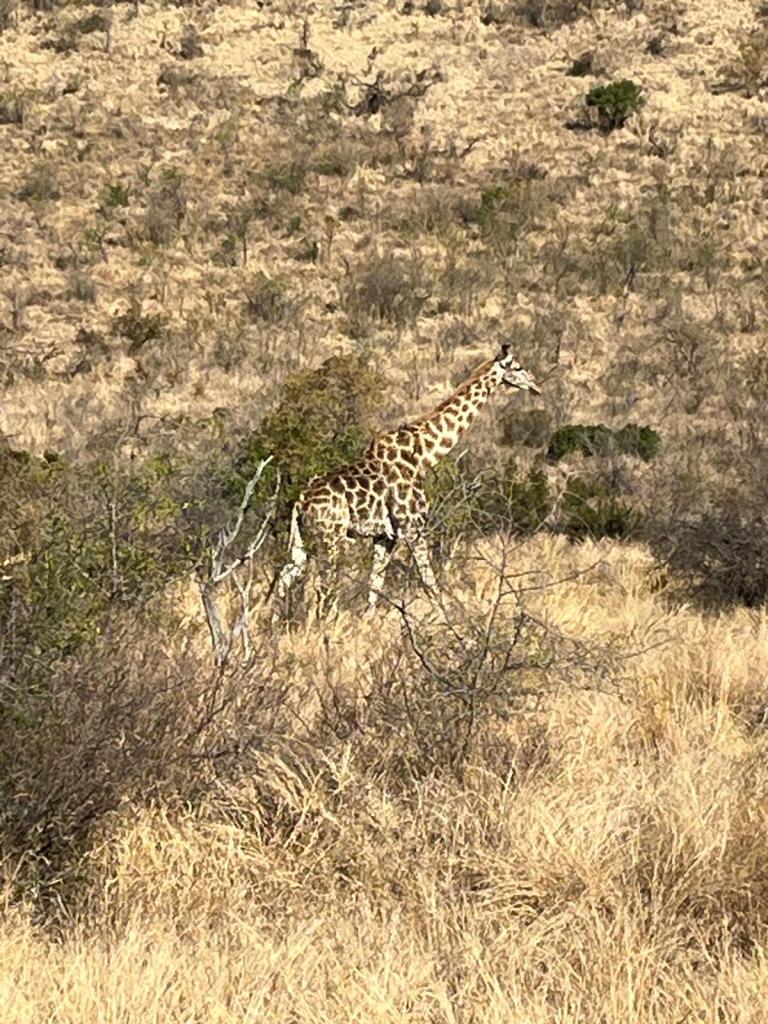
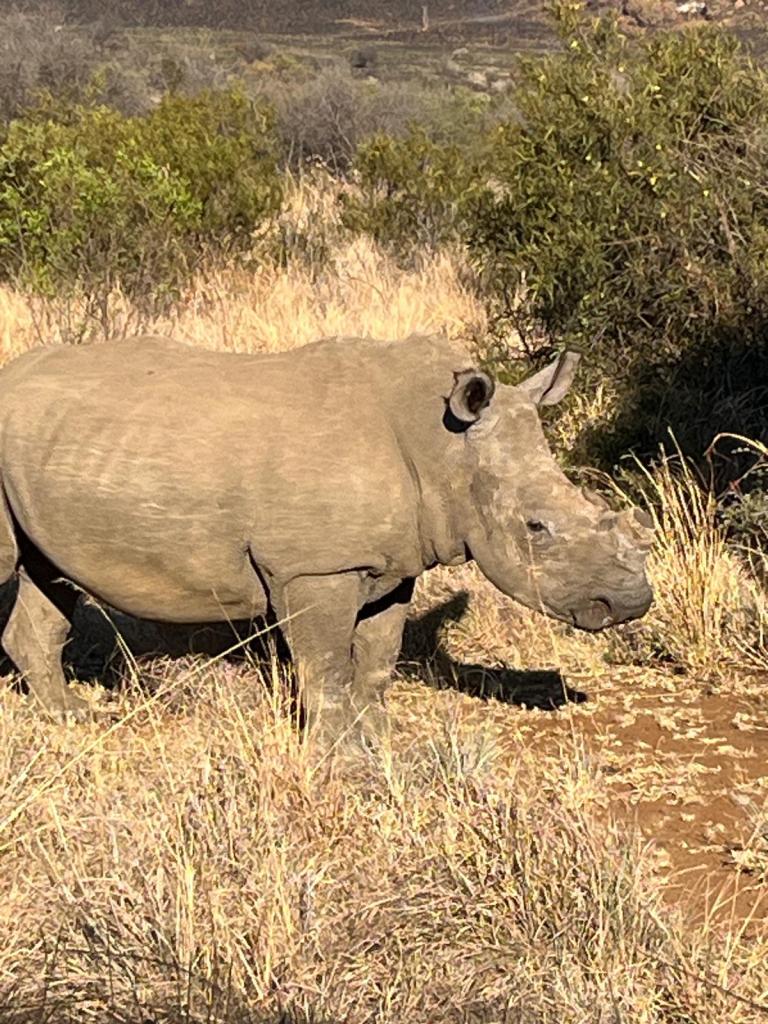
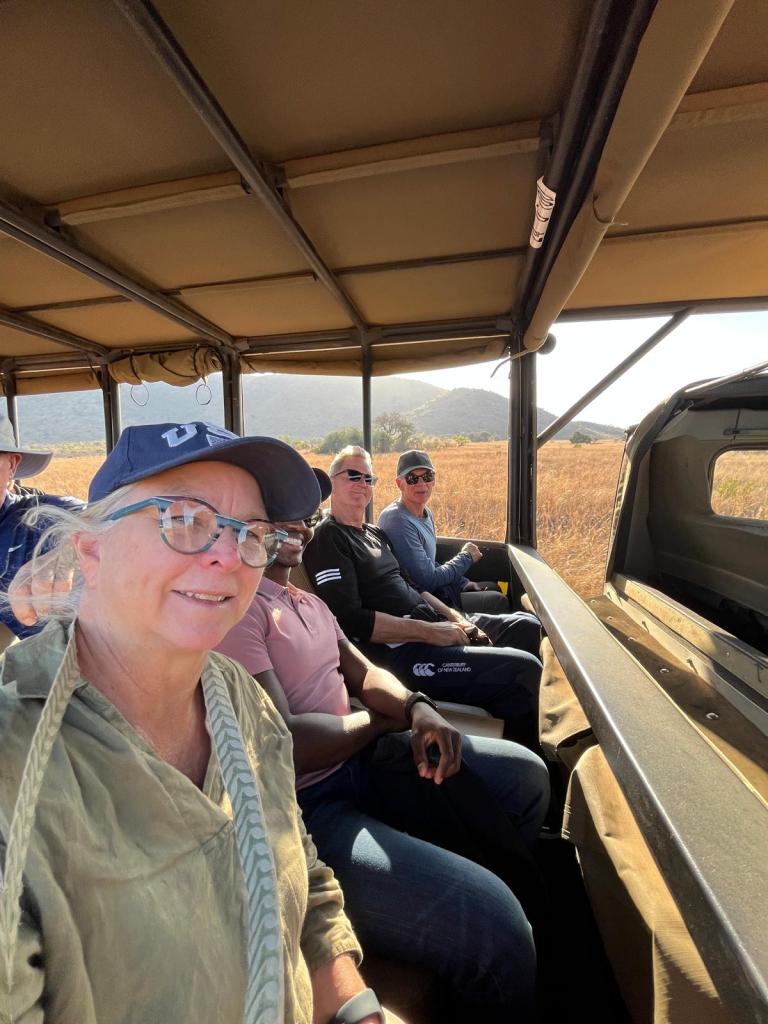
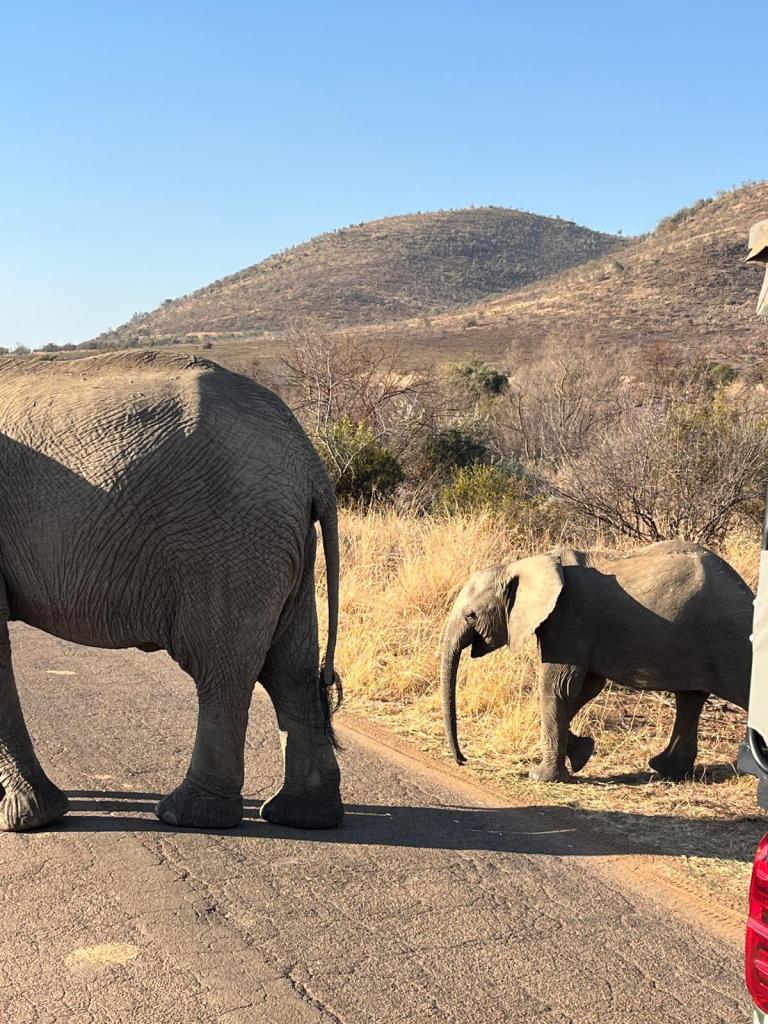
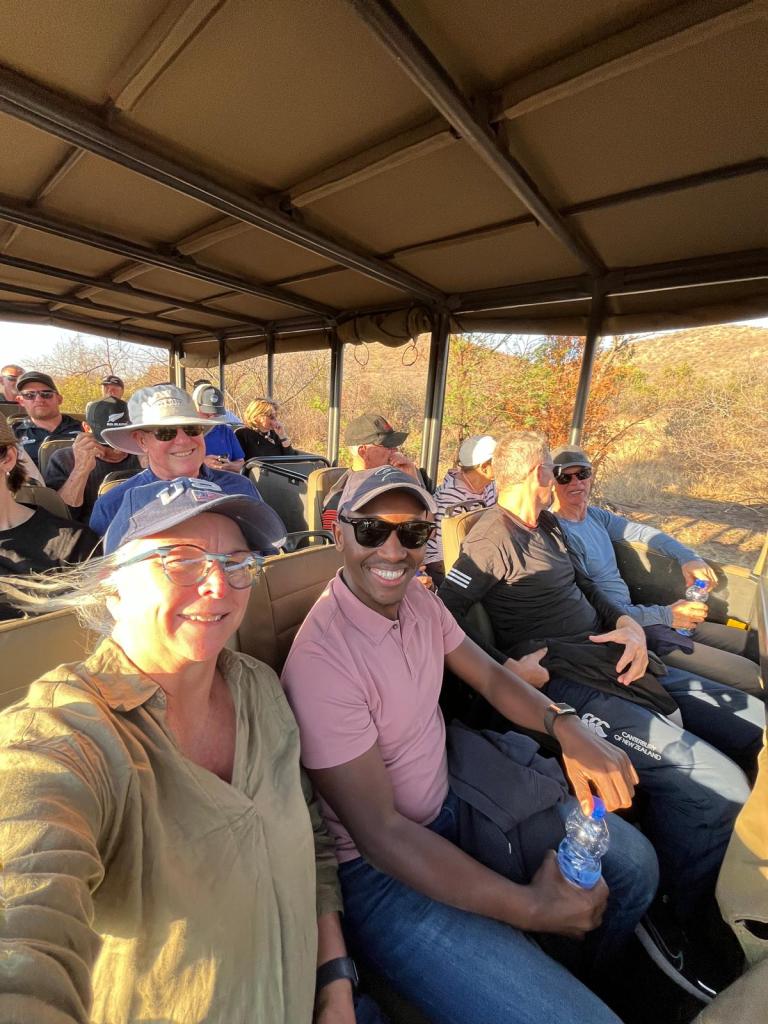
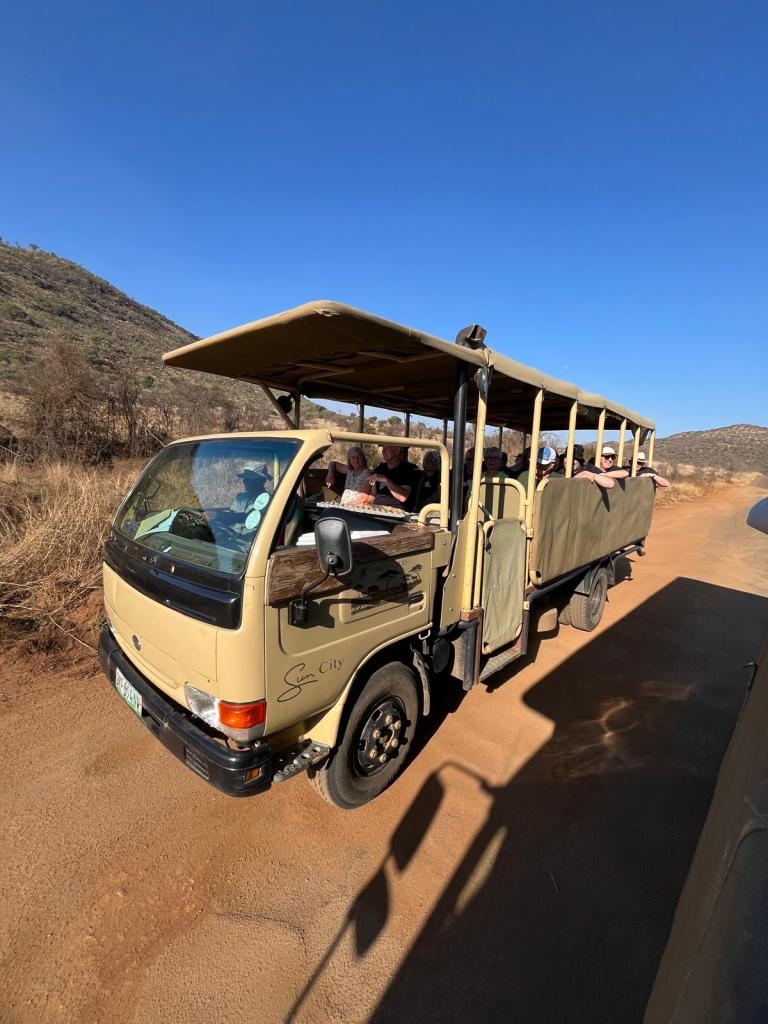
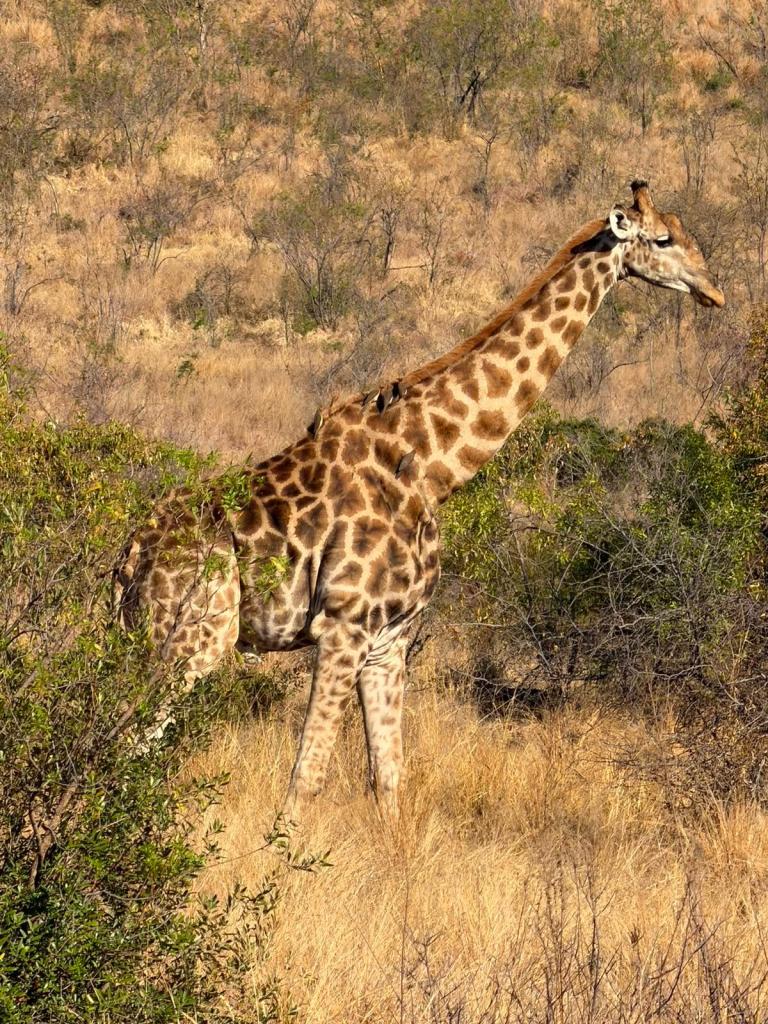
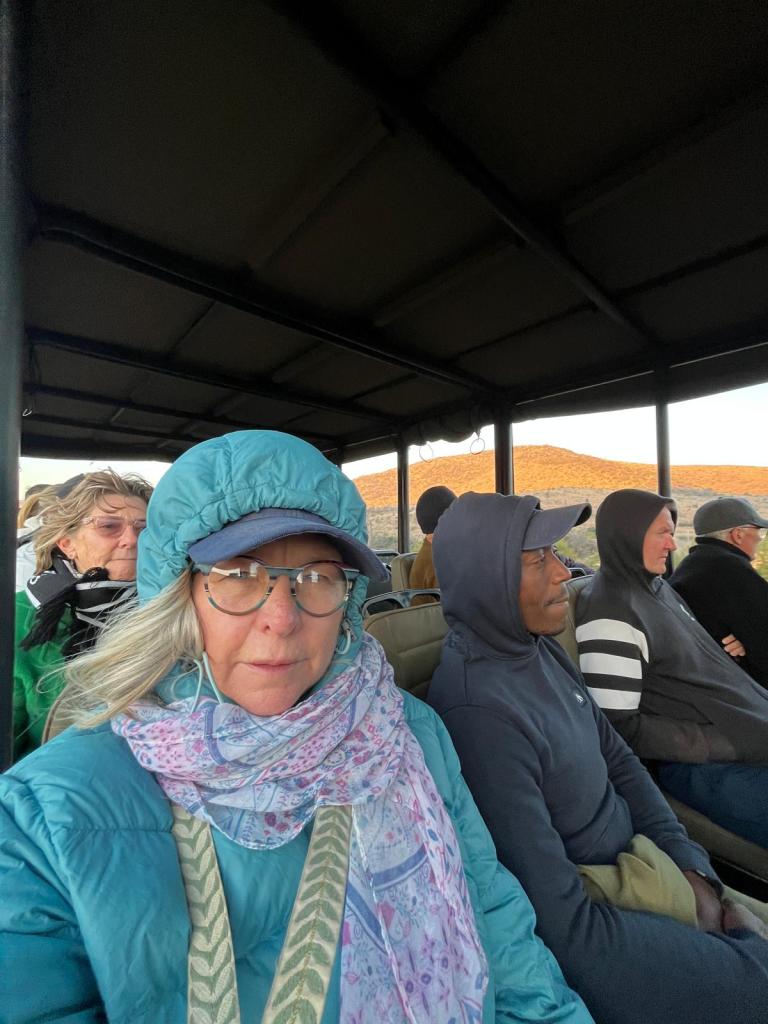
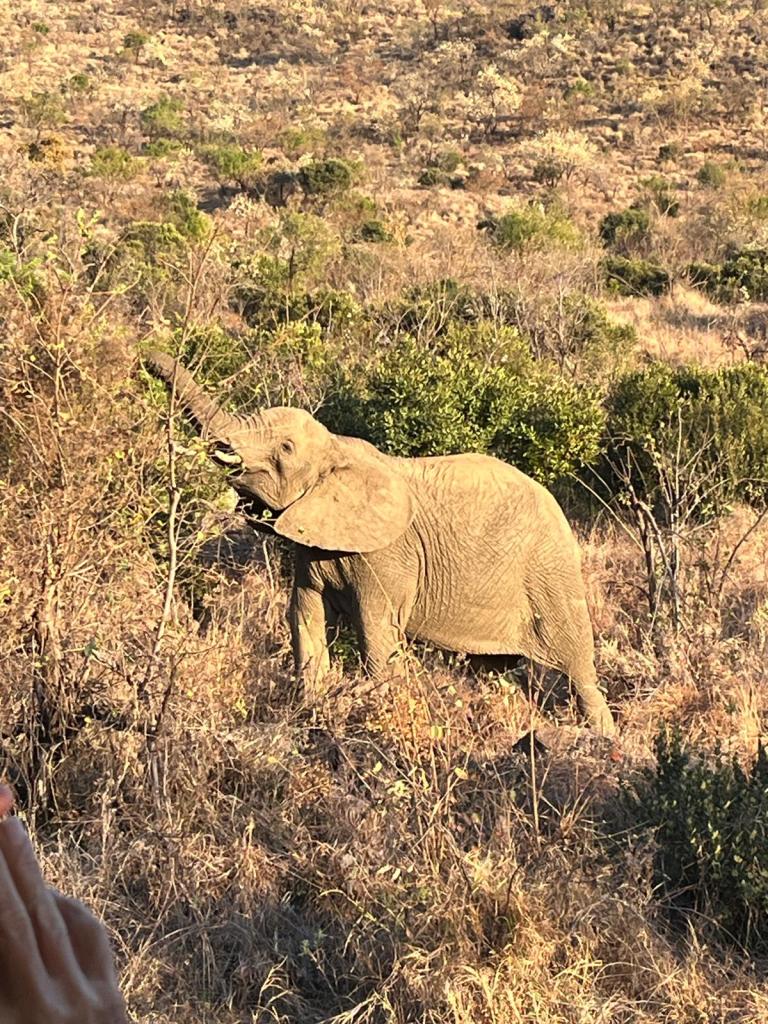
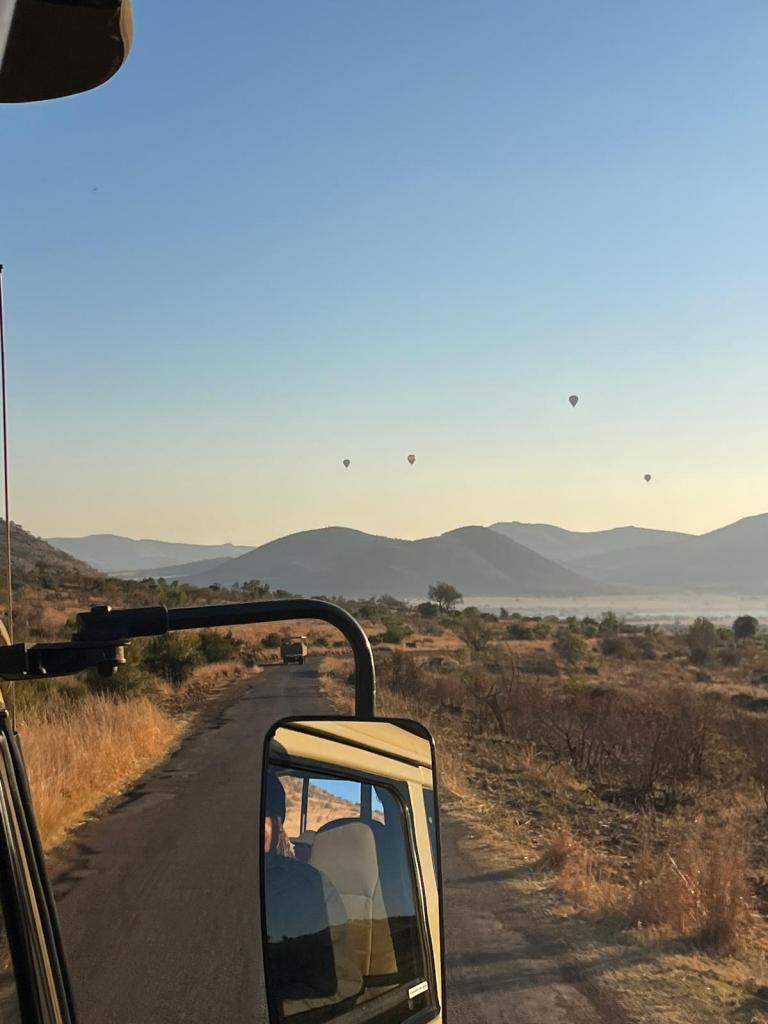
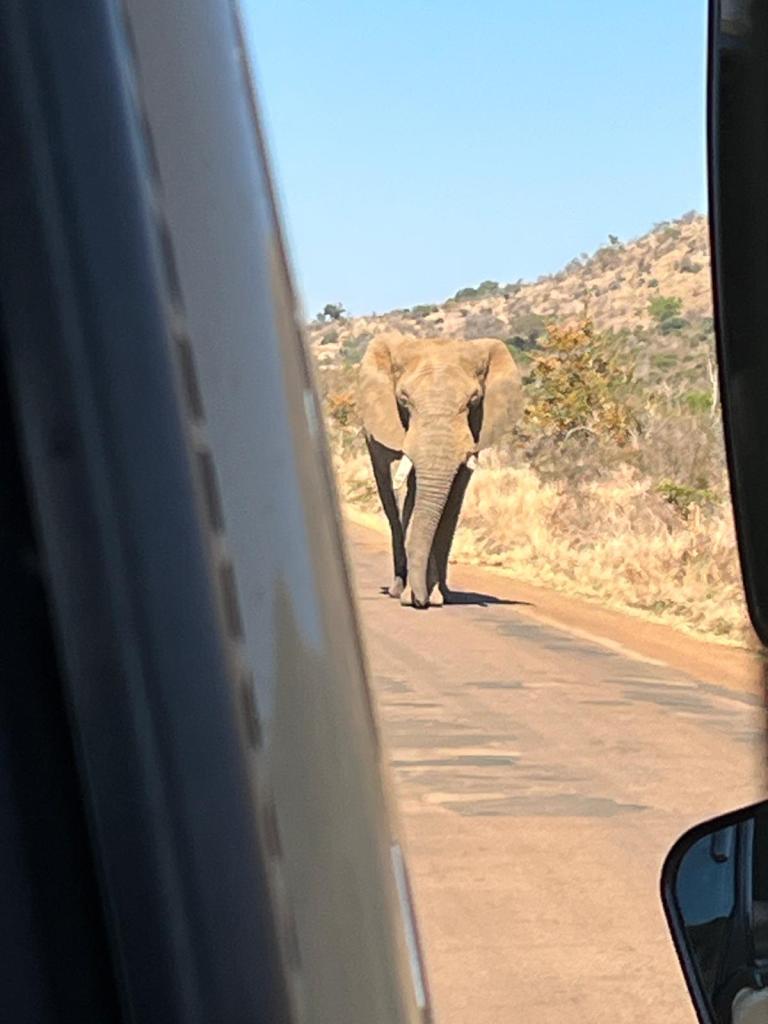
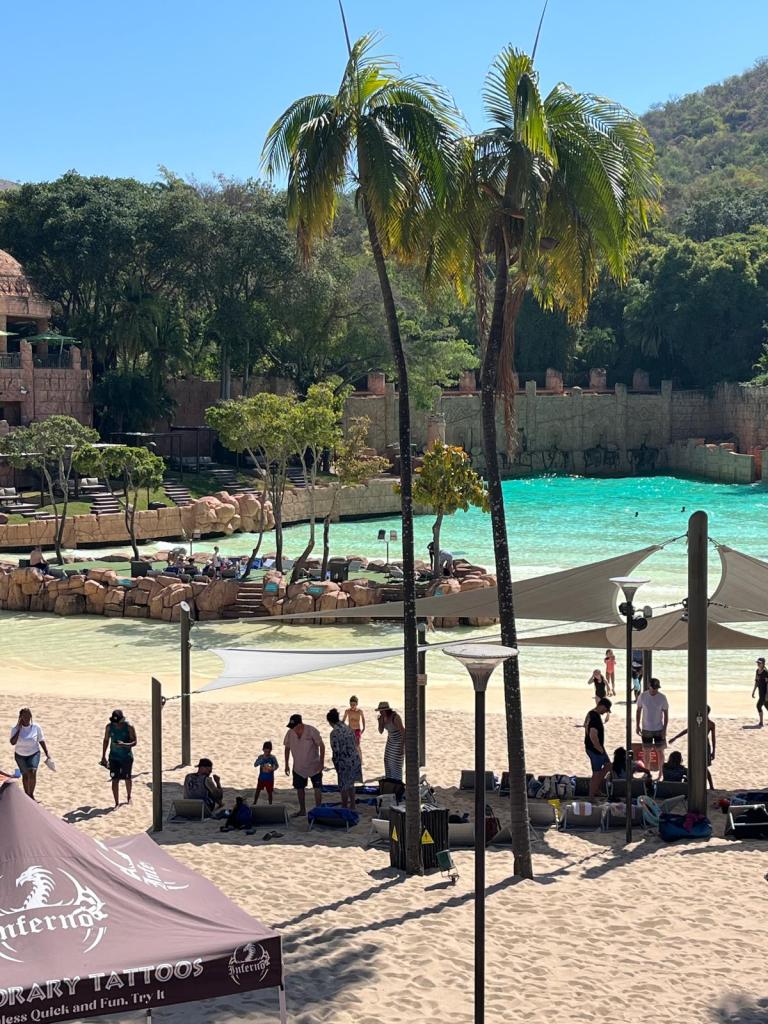
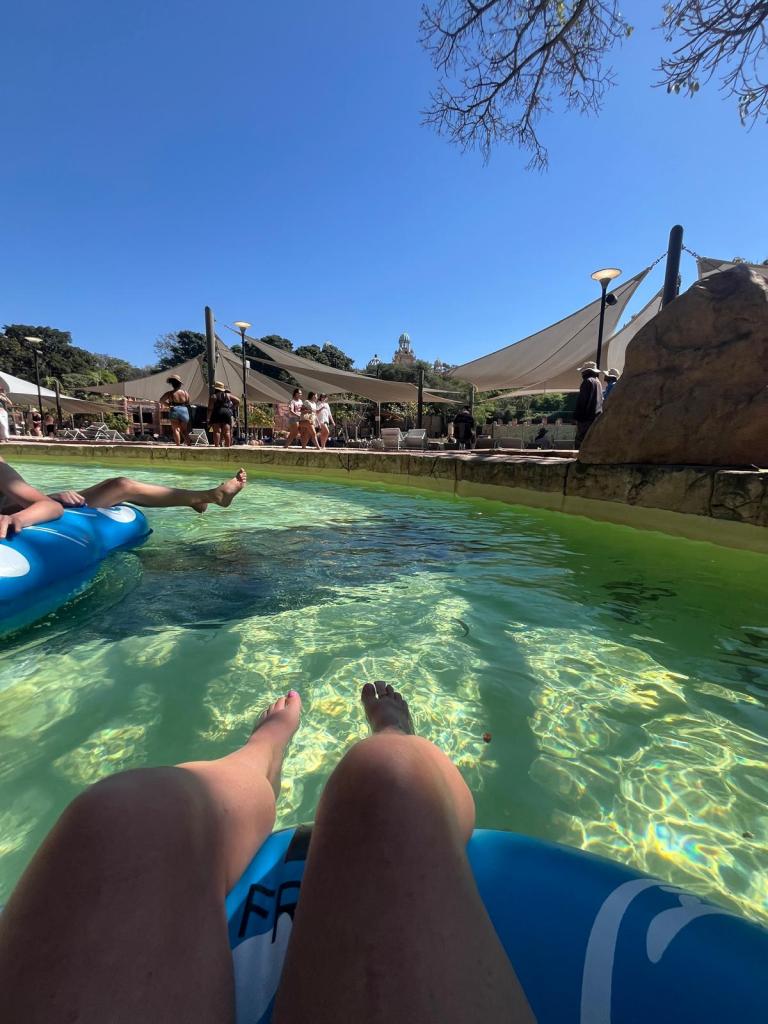
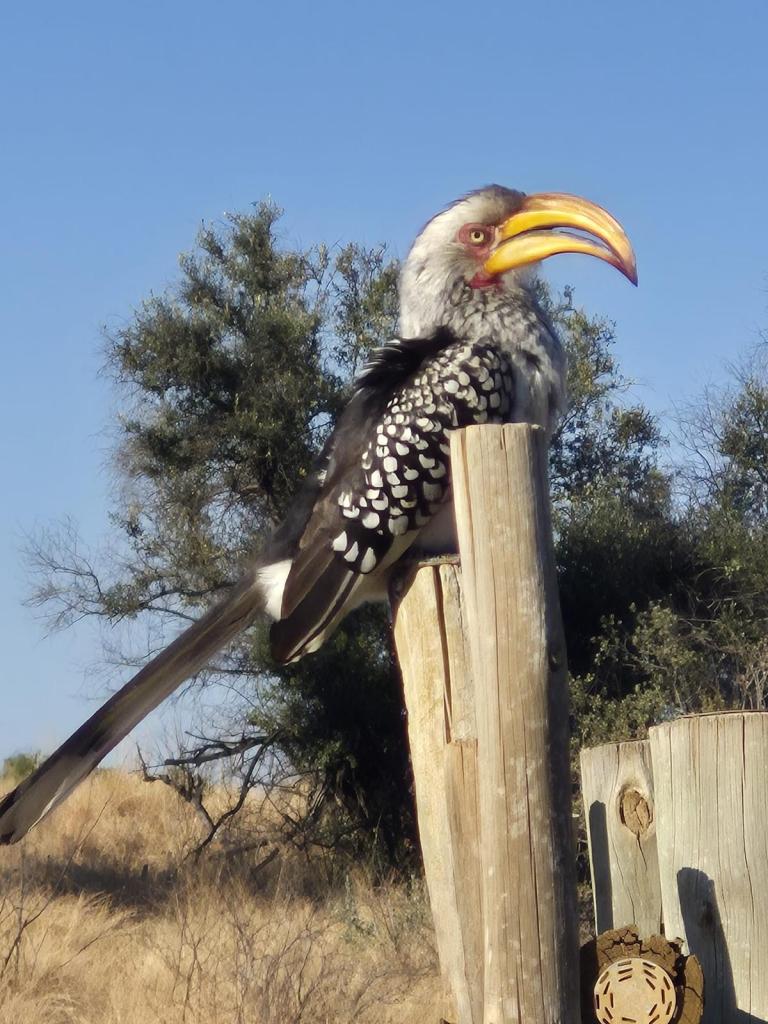
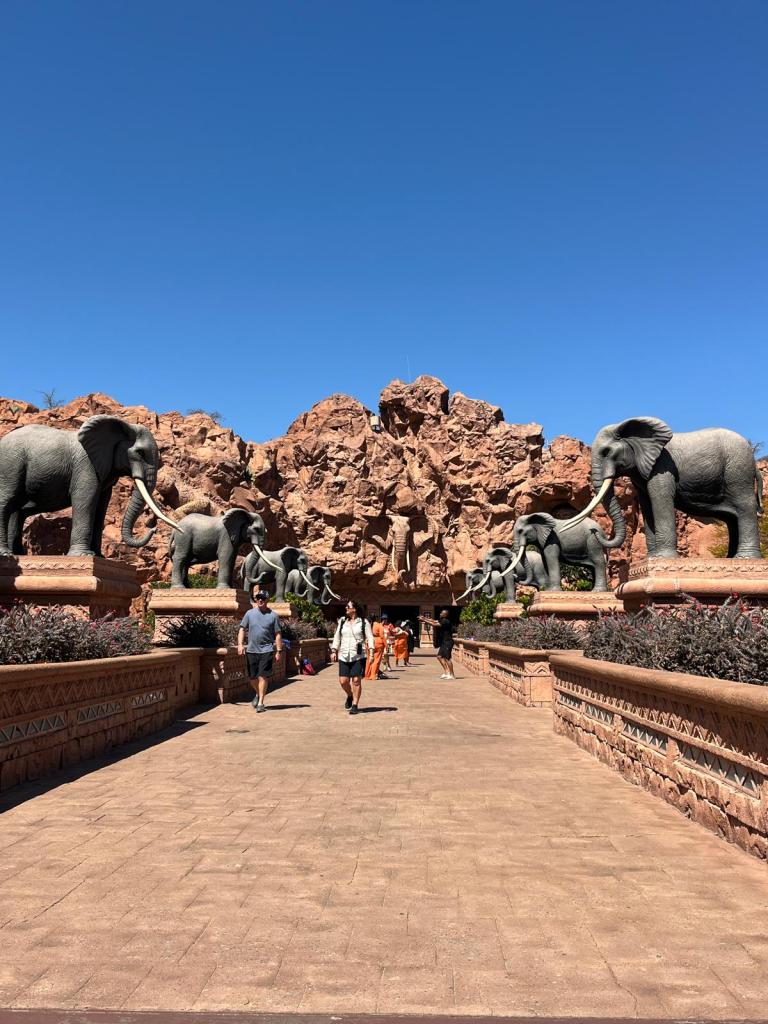
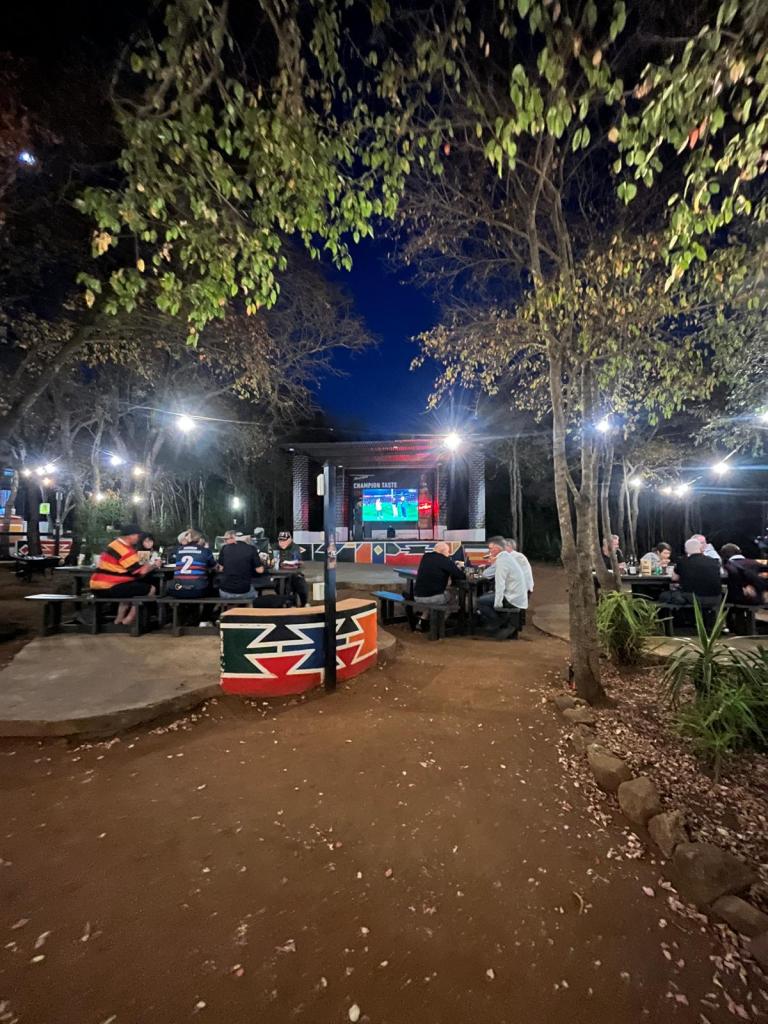
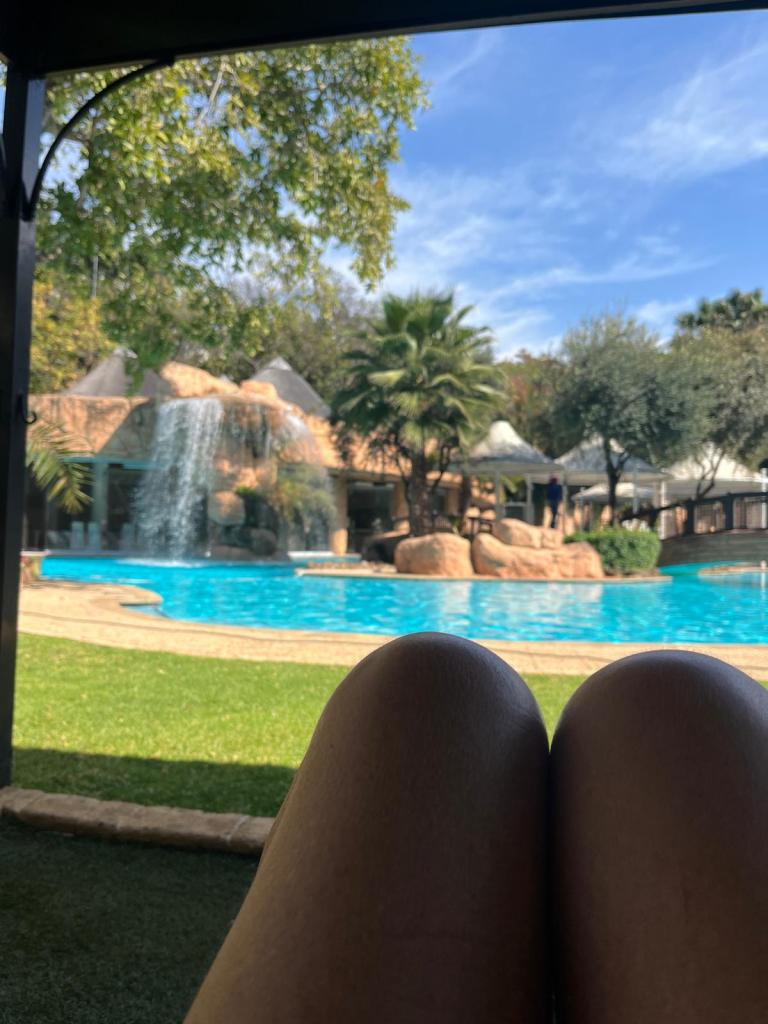
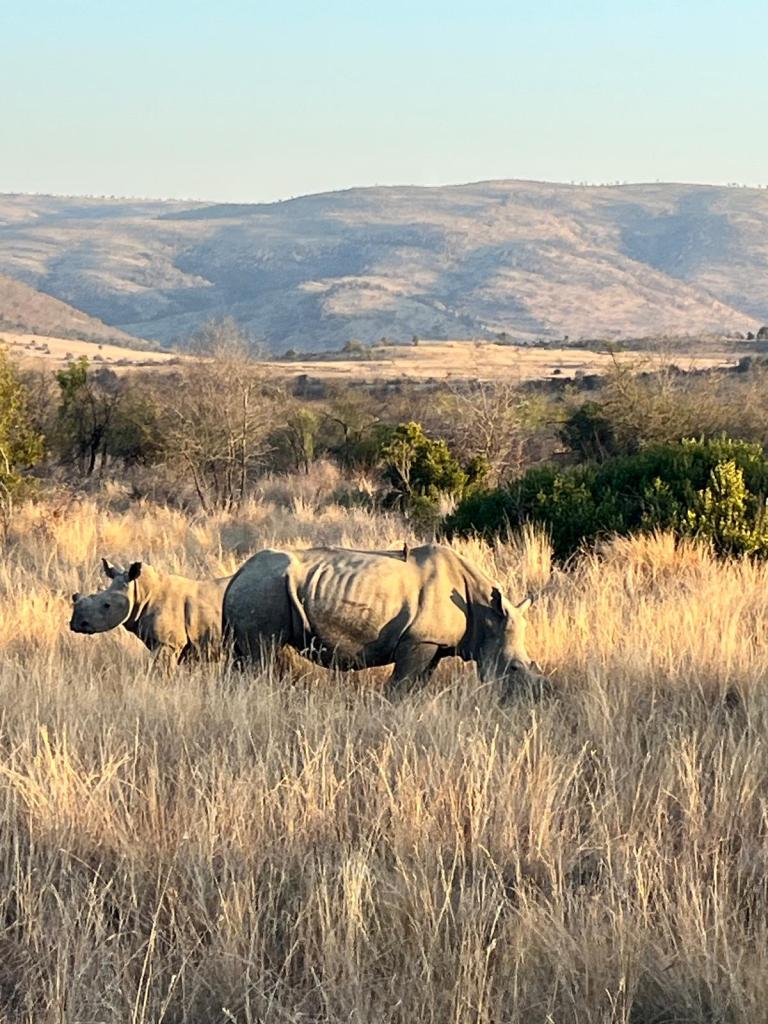
From Johannesburg, we headed northwest to Sun City. It might not be everyone’s cup of tea, but it was mine. Sometimes called the Las Vegas of South Africa, the resort was originally built as an independent ‘homeland’ so that things like gambling, illegal in South Africa, could be offered. It has two large hotels (we stayed at The Cascades) and a number of self-catering options for families. There are swimming pools, golf courses, a food court, a shebeen, and the Valley of the Waves, so there’s no excuse to be bored. It’s located on the edge of Pilanesberg National Park, where we did both an afternoon and a morning game drive. Our three nights in Sun City were a chance to relax, not worry about our safety and security, and, most importantly, see some amazing wildlife.
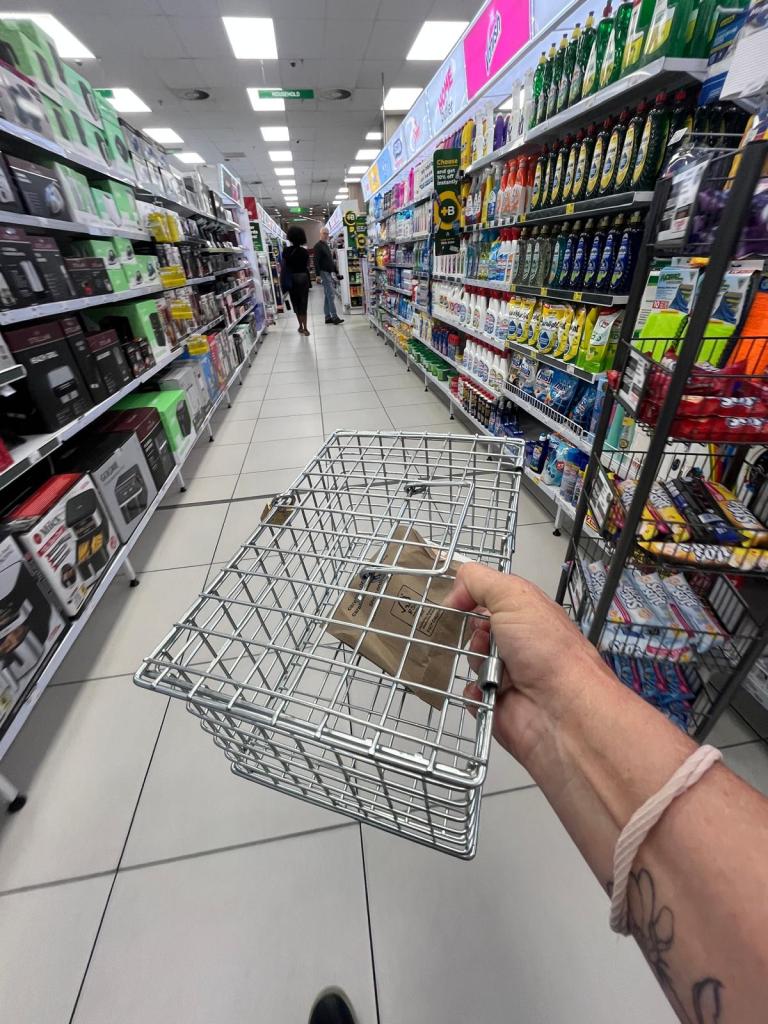
From there, it was on to Cape Town, a proper haul across the country but worth every hour of it. We spent 8 nights here, well short of my previous stay, but this time I only had to share a room and a bathroom with one other person: my husband. The visit didn’t start so well, with an unplanned trip for me to A&E. I can report the clinic was excellent and I received great care. I’m still not sure, though, why in pharmacies in SA you get your medication in a lock box like this to walk with from the dispenser to the checkout.
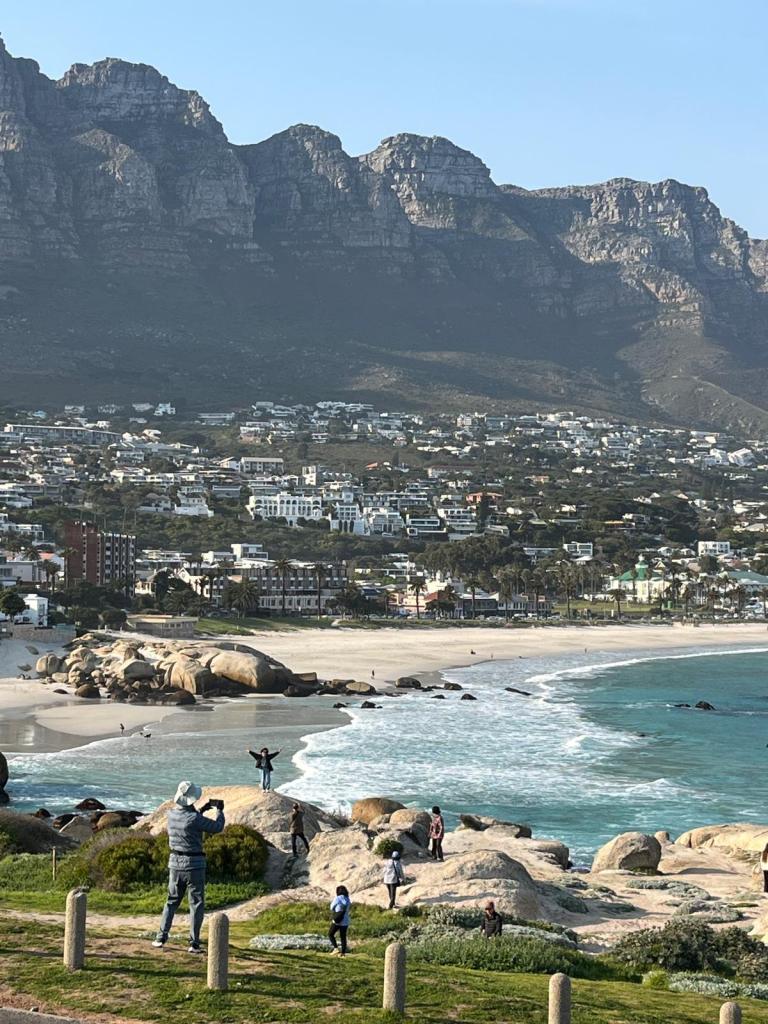
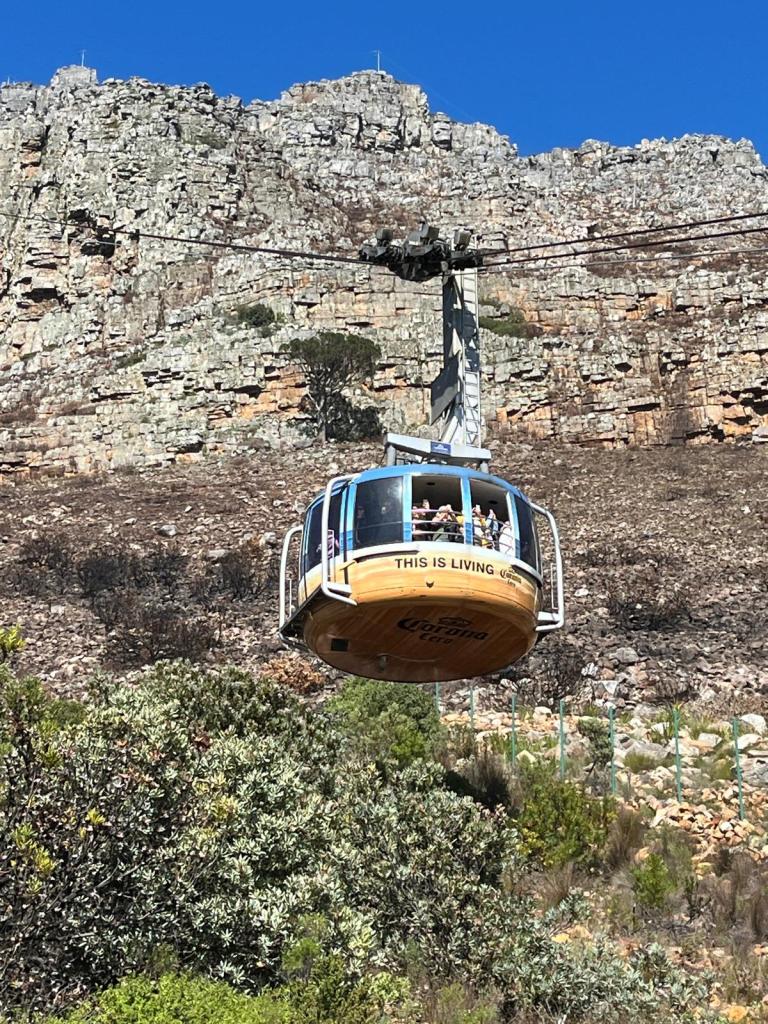
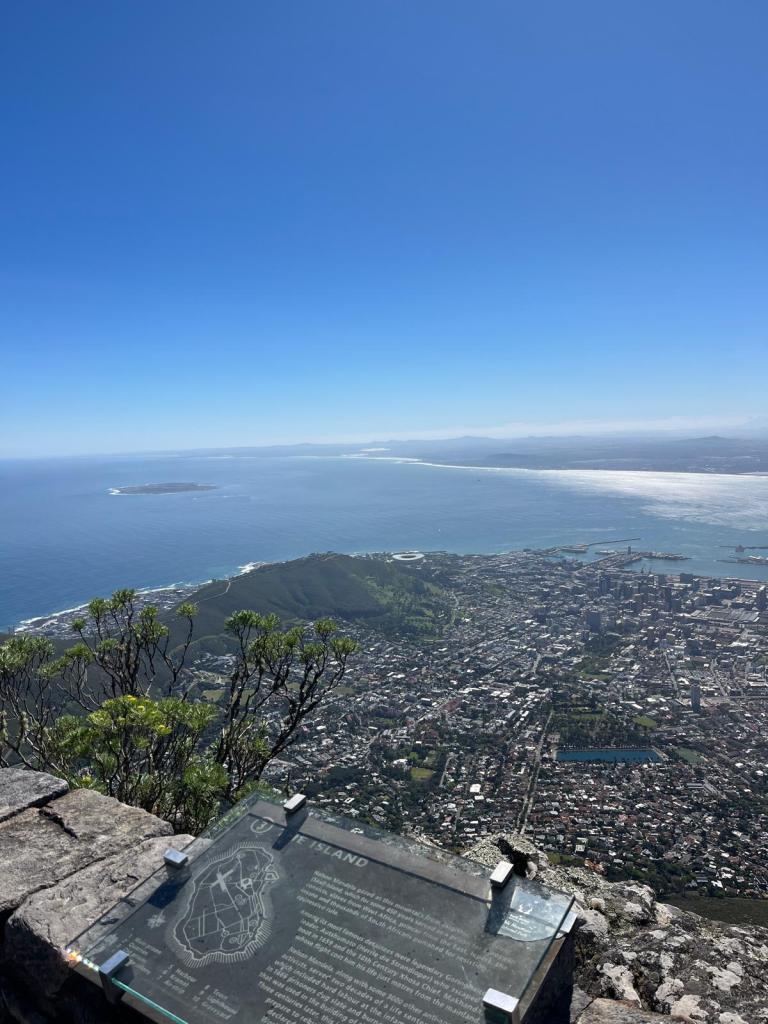
During our stay, we took a trip up Table Mountain, which I had neglected to do in 1996, even though I was staying almost at its base. Its base is where I’m best, nice and close to sea level. My fear of heights and cable cars made the trip up challenging, but not impossible, thanks to noise-cancelling headphones, really loud music, and keeping my eyes closed. Once at the top, I kept telling my brain I was just on land but with a good view, and the views were outstanding. A beer at a beachside bar in Camps Bay soon melted the trauma away.
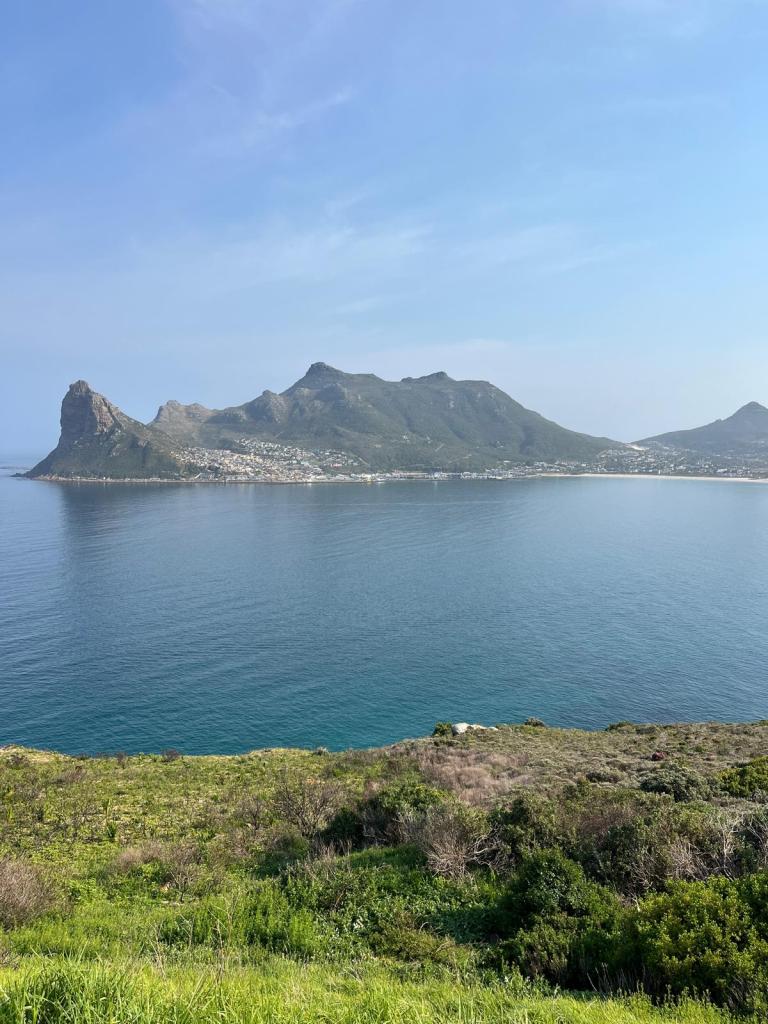
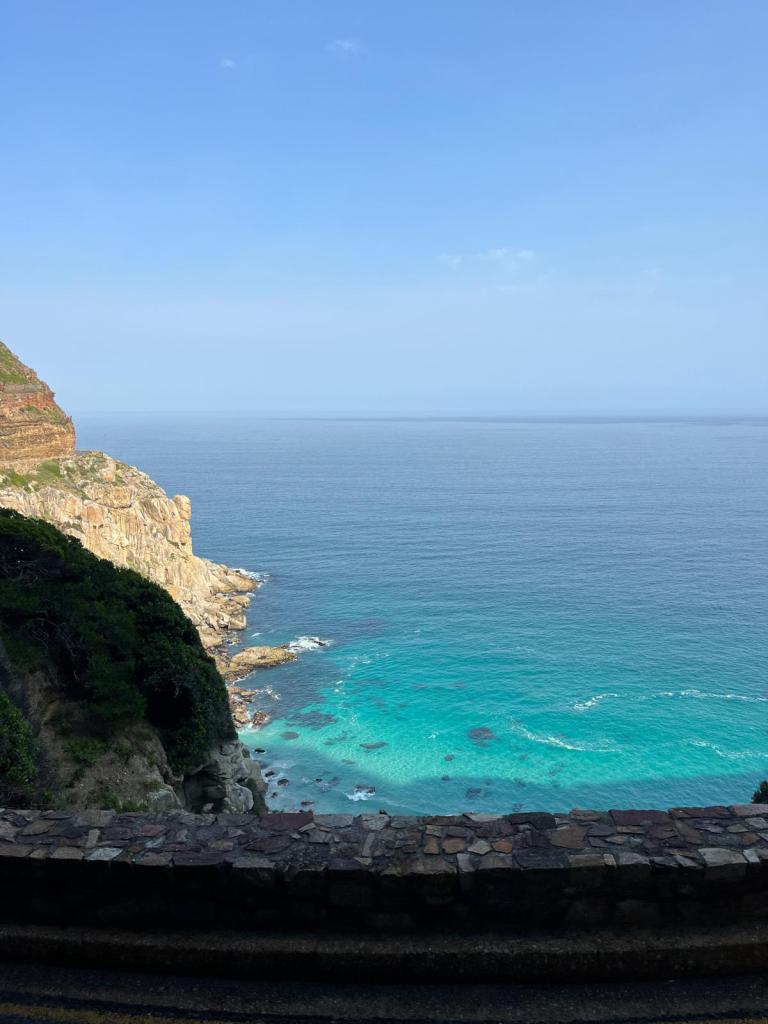
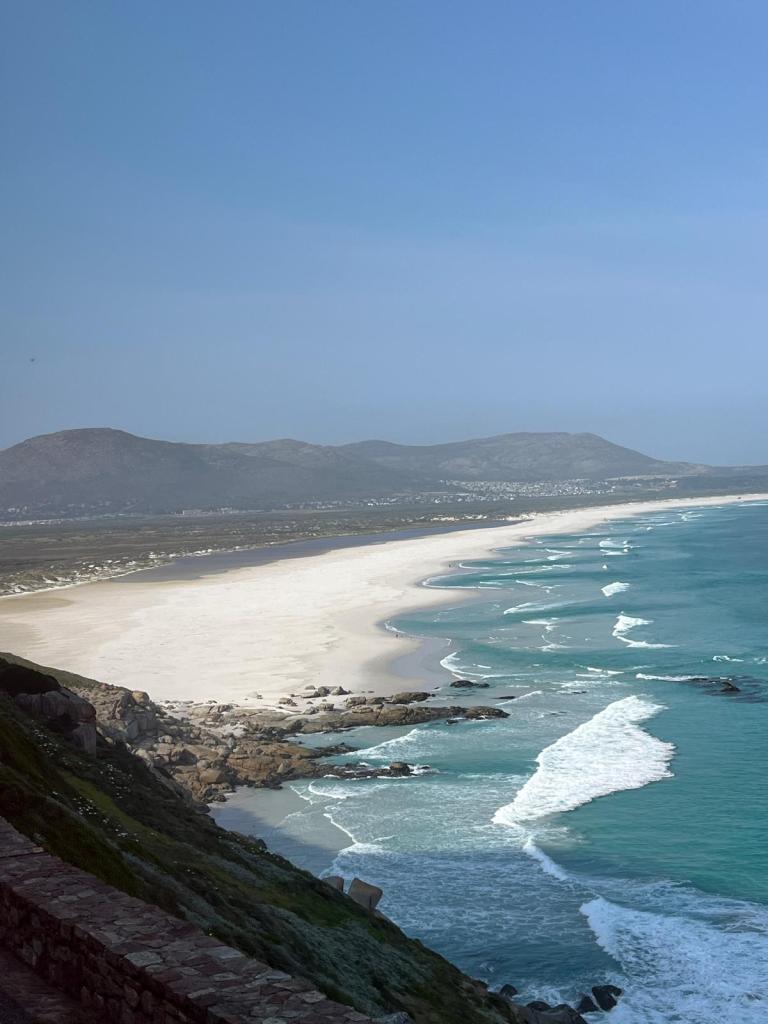
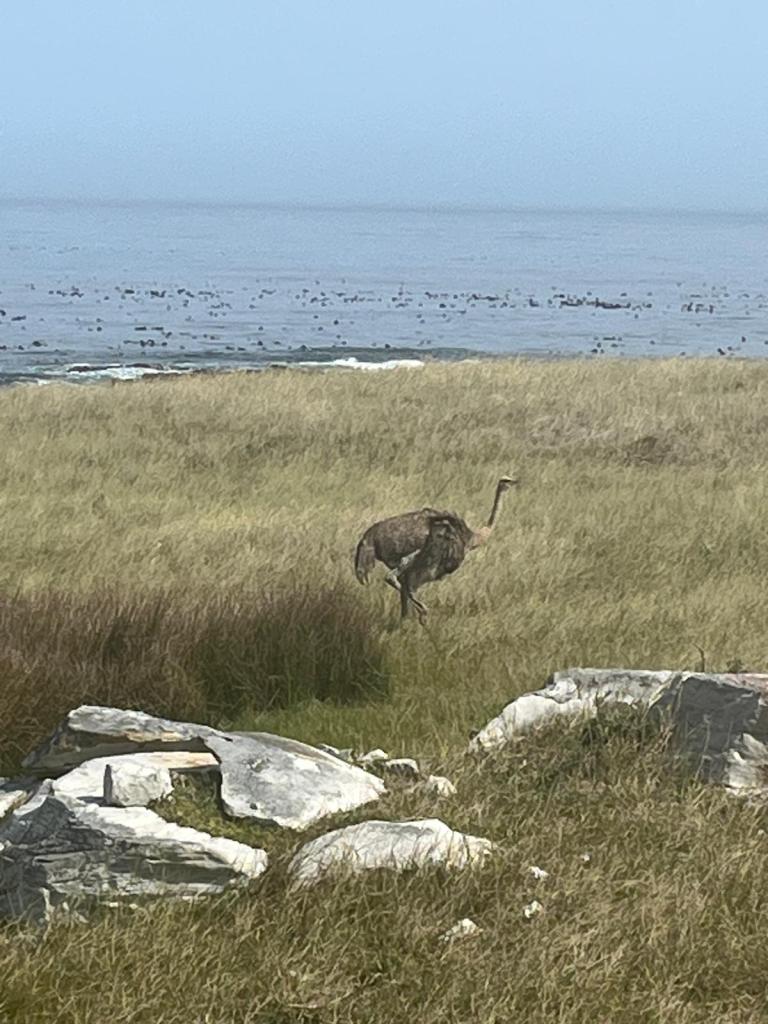
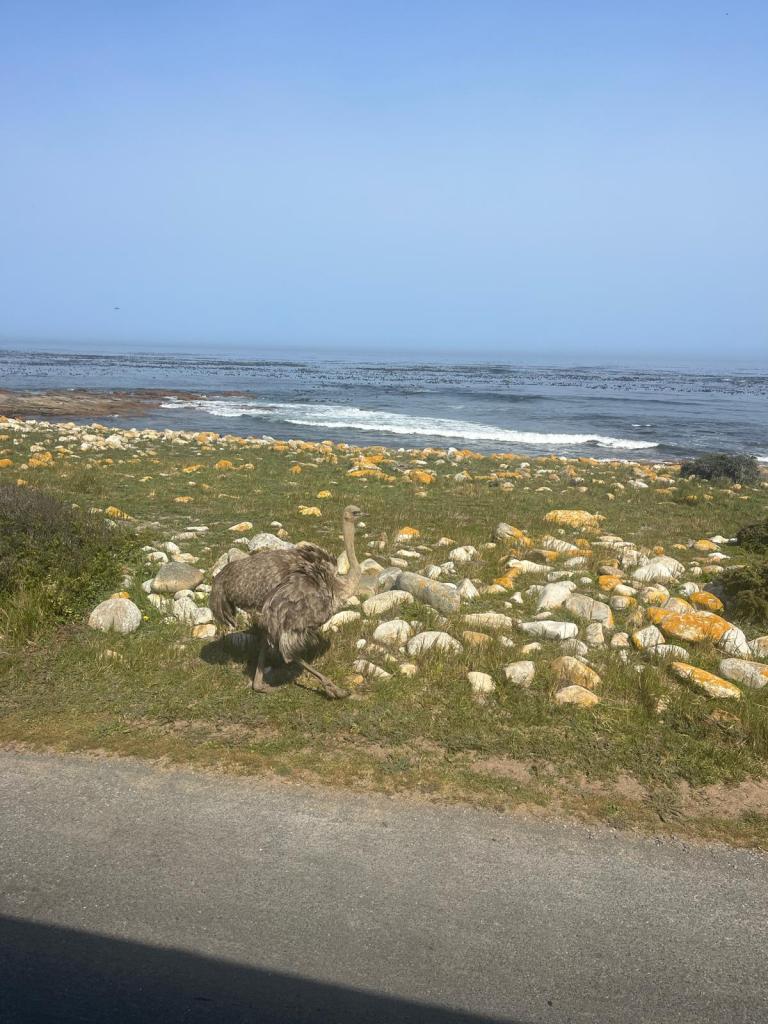
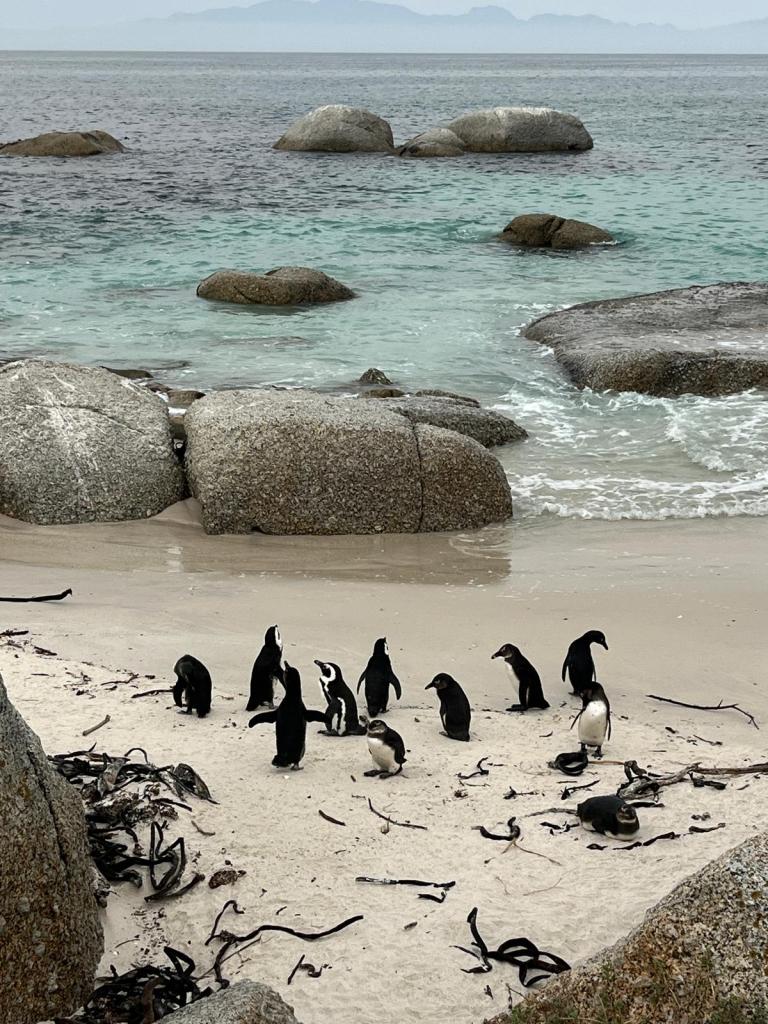
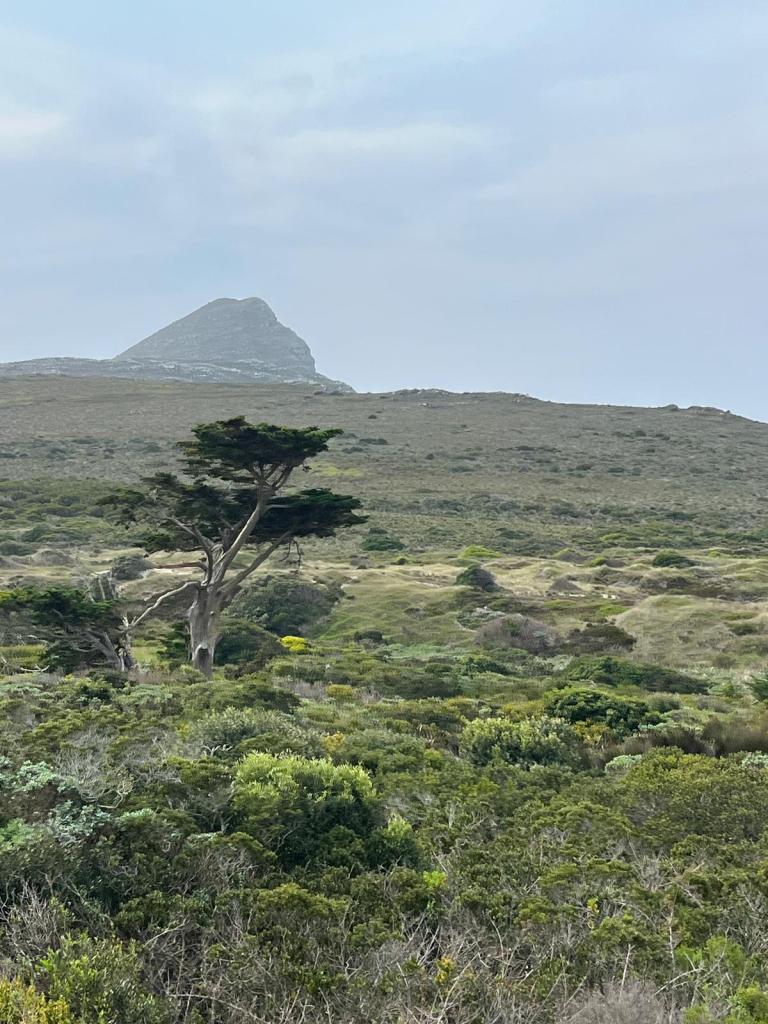
We had an insanely good run of weather considering it was winter. Another bluebird day greeted us as we headed to the Cape of Good Hope, sightseeing and spotting more wildlife, including a stop at a penguin colony. It was also during this stay that we caught another of the Tests at Cape Town Stadium — the atmosphere was every bit as good as advertised, more on that below.
A highlight for me was a day trip to the wine regions of Stellenbosch and Franschhoek, where we sampled both food and wine until late into the afternoon, visiting three wineries throughout the day. You can book the same wine tour HERE
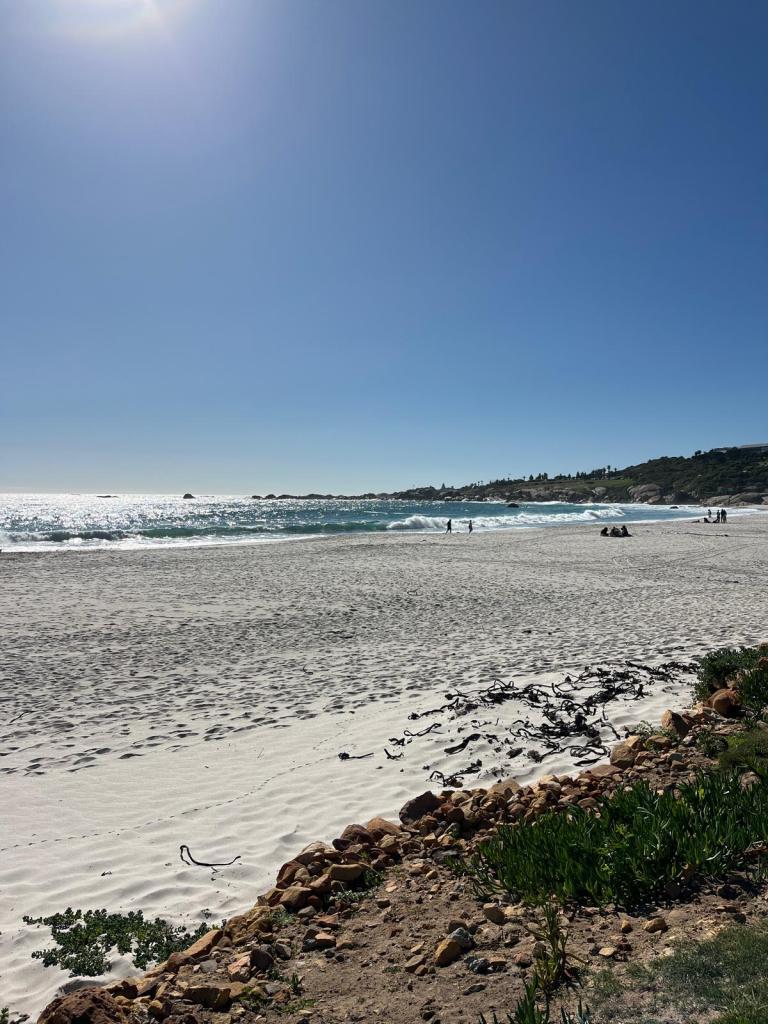
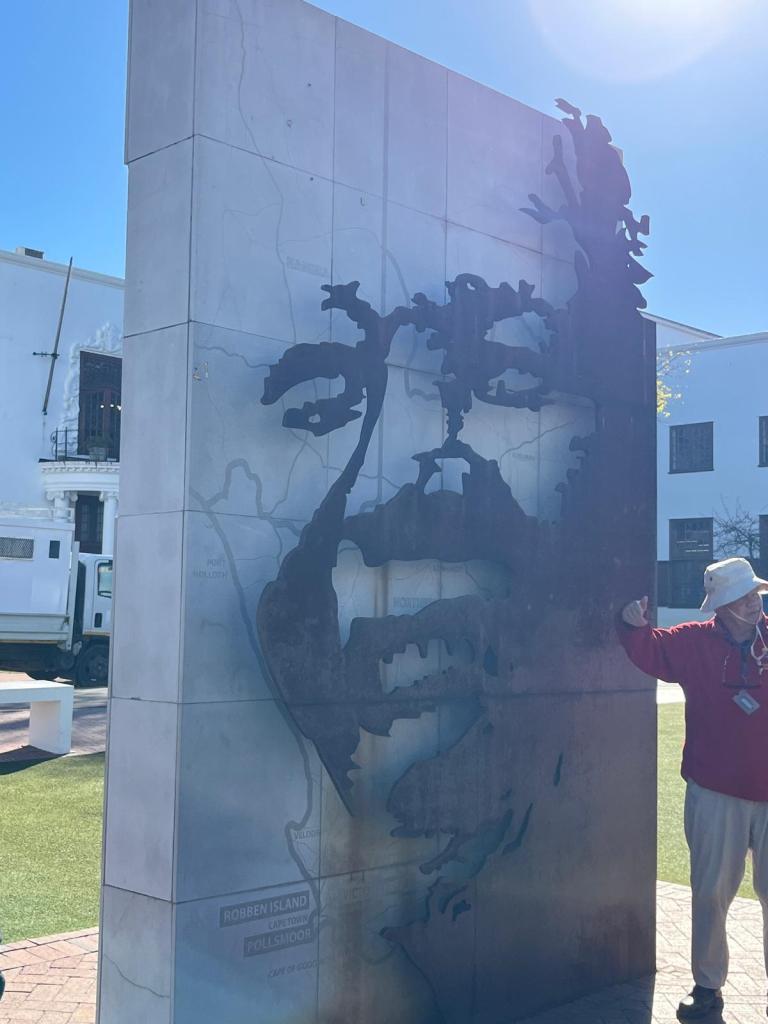
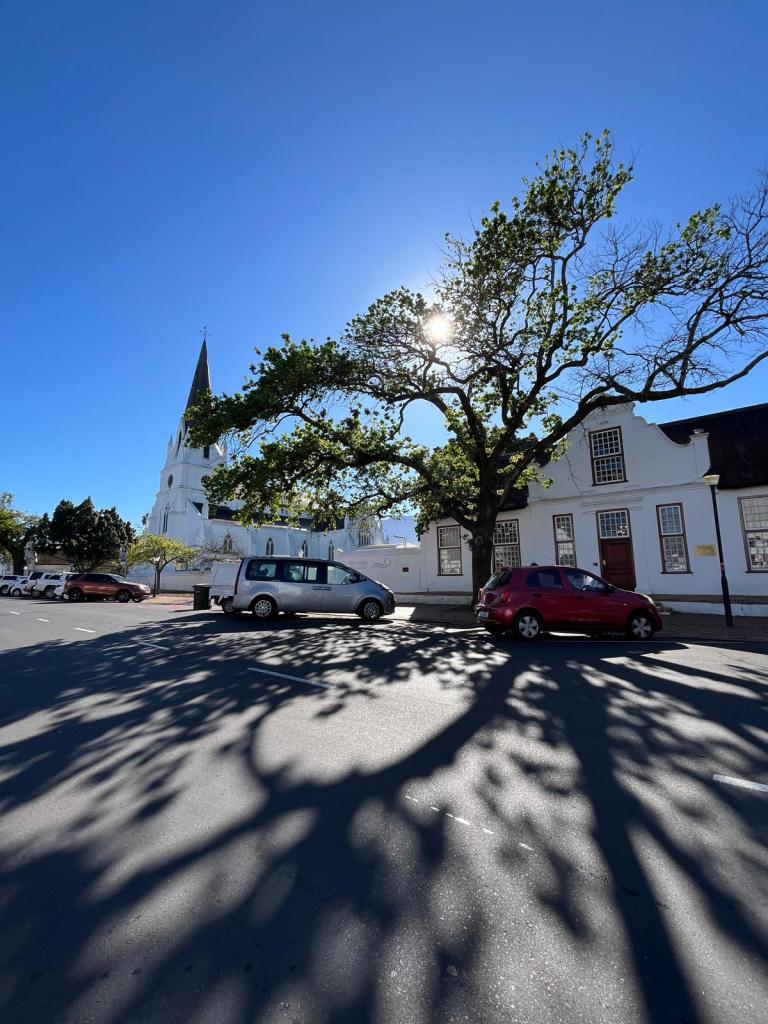
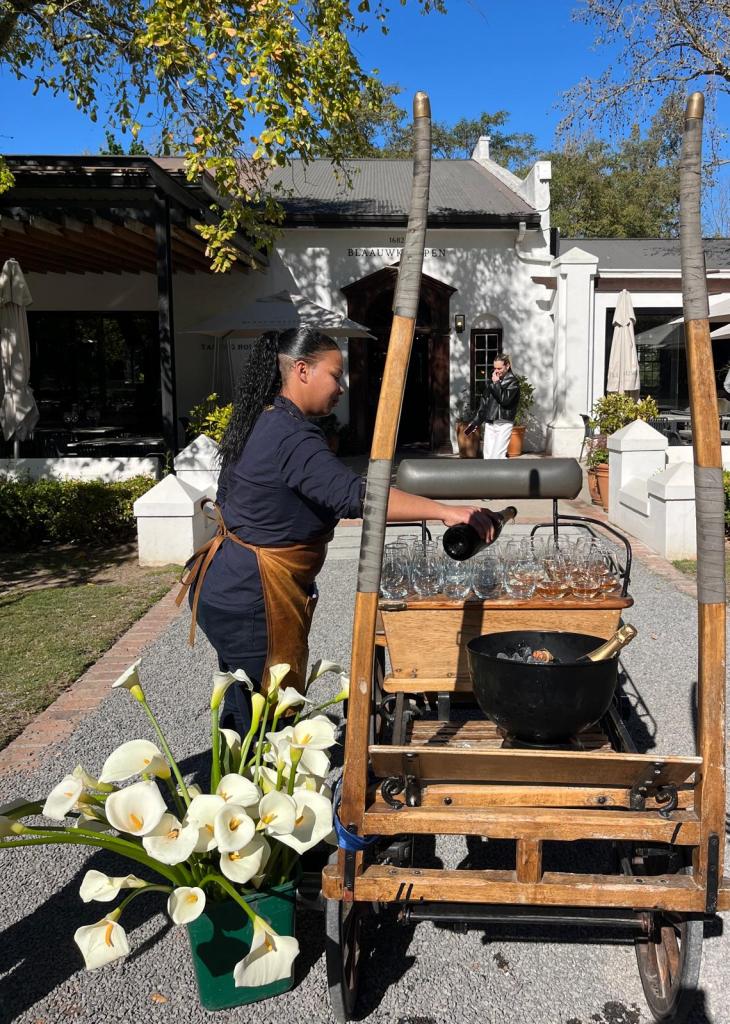
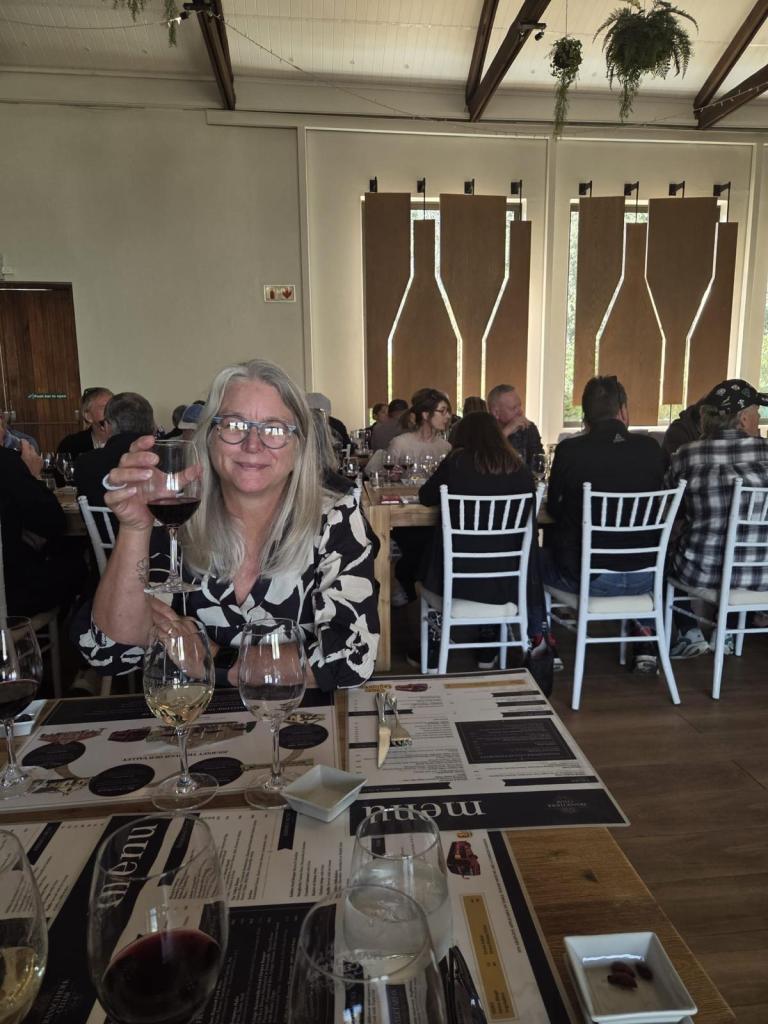
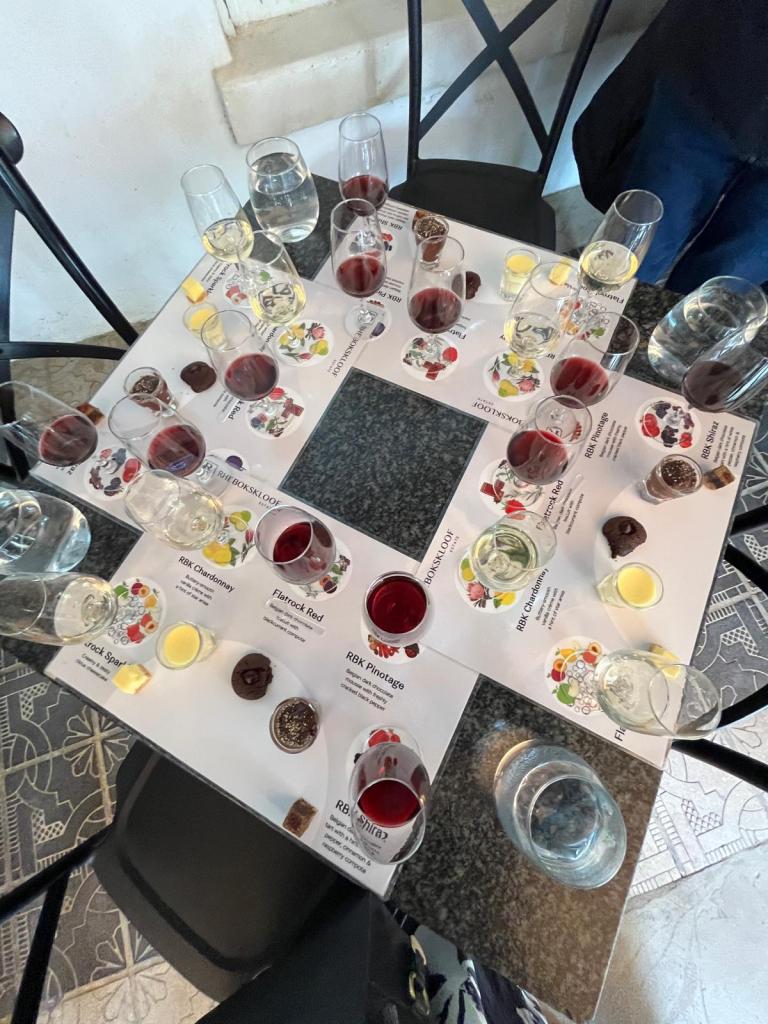
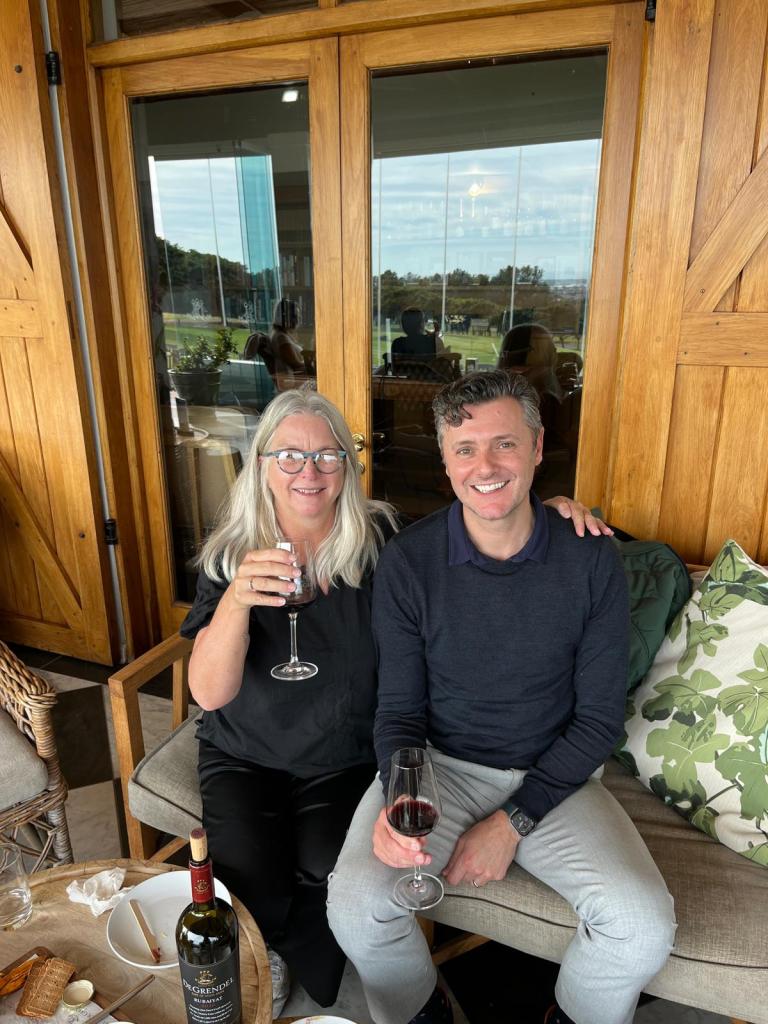
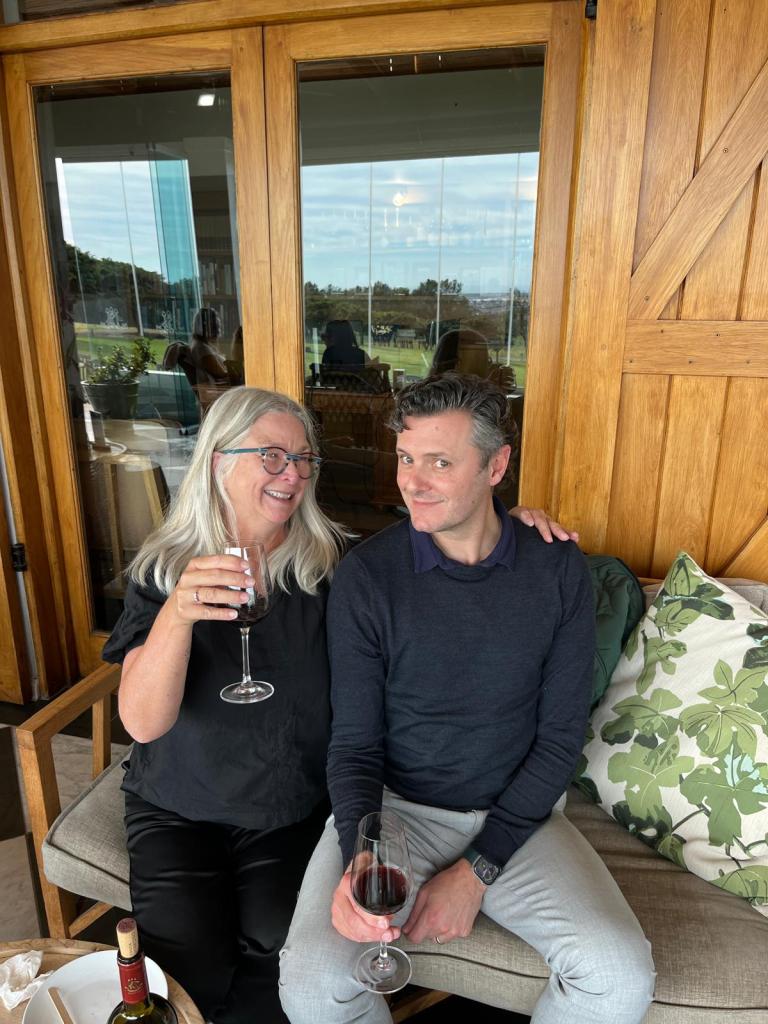
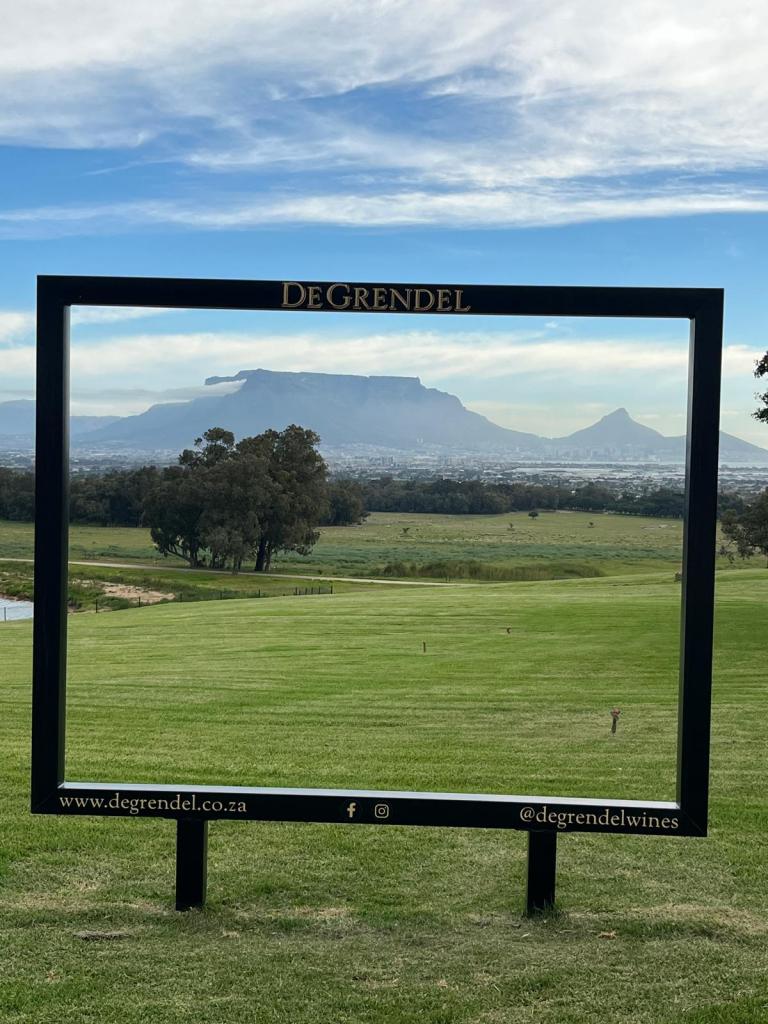
On a separate day, I made a solo trip to another winery to catch up with someone I hadn’t seen in decades (just saying that makes me feel very old). Chris and I worked together in the basement (yes, it was actually a basement) of the Royal National Hotel, the hotel in London with the most rooms. The year was 1997, and our job was to deal with weary travellers who had just arrived in London for their Contiki tour. All they wanted to do was check in and go to bed. It was our job to tell them that they couldn’t do that for hours, and often hours and hours. Fun times. My friendship with Chris could be described as unlikely. I was a 26(ish)-year-old Kiwi, while he was a 19-year-old South African, not long having left school. Unlikely though it seemed at face value, we became firm buddies and had lots of fun together in London. I wasn’t sure if the friendship would be the same nearly 30 years later, with plenty of water under both of our life bridges. It filled my cup that we still connected in the same way we did all those years ago, and we spent a lovely few hours catching up.
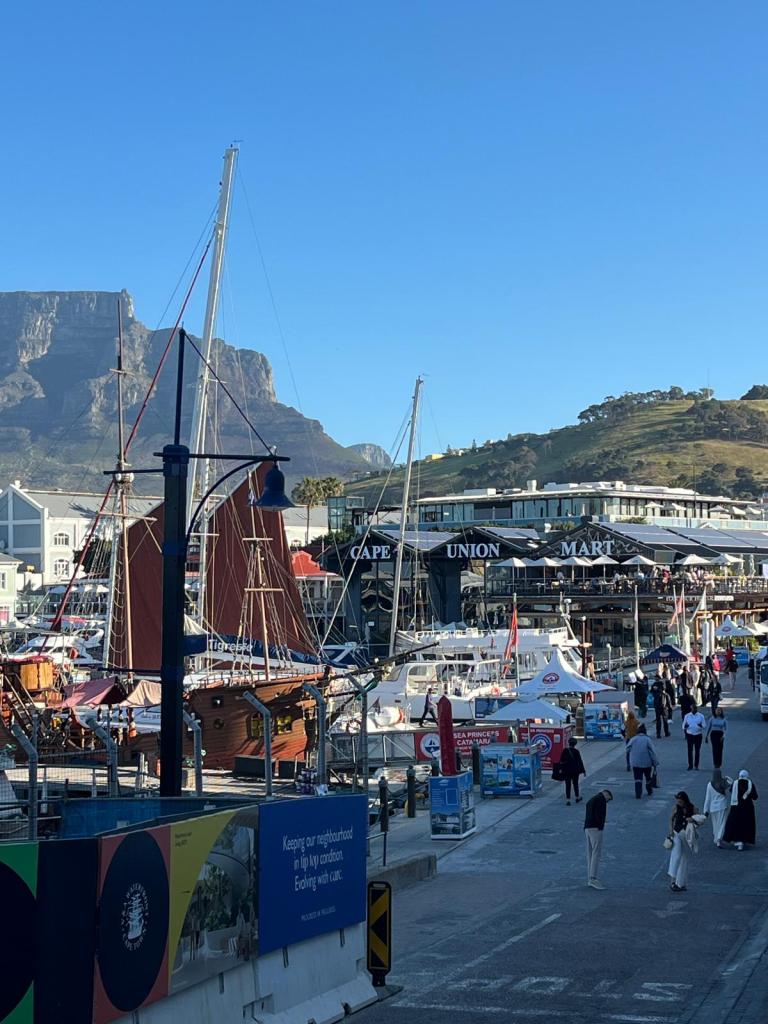
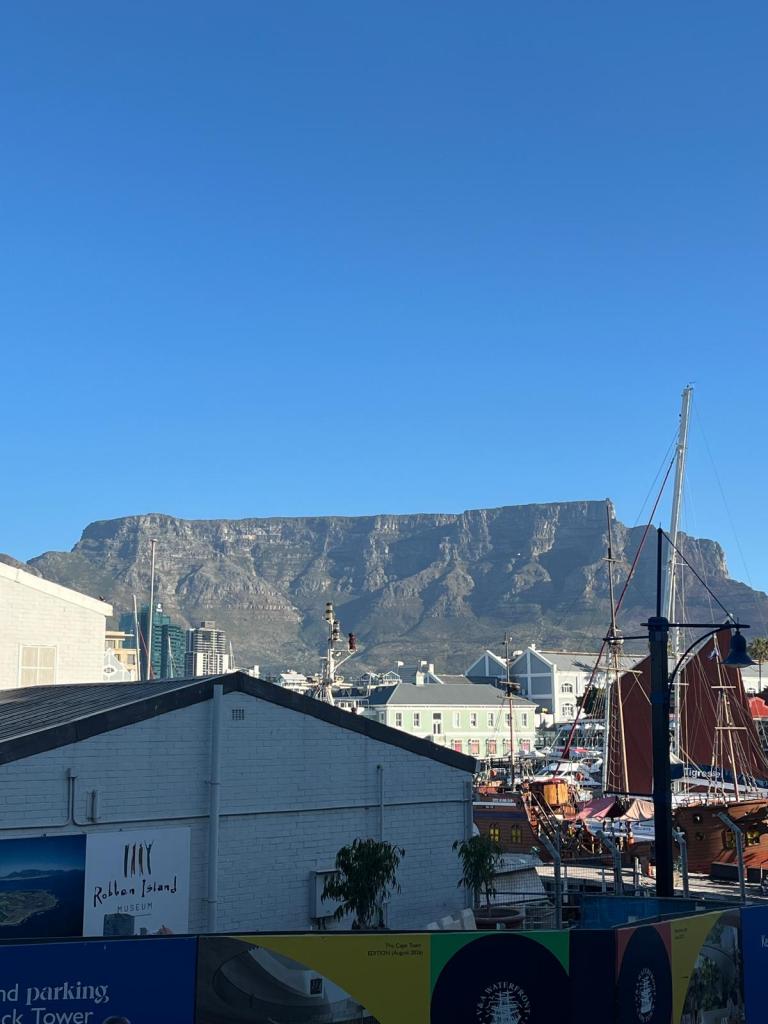
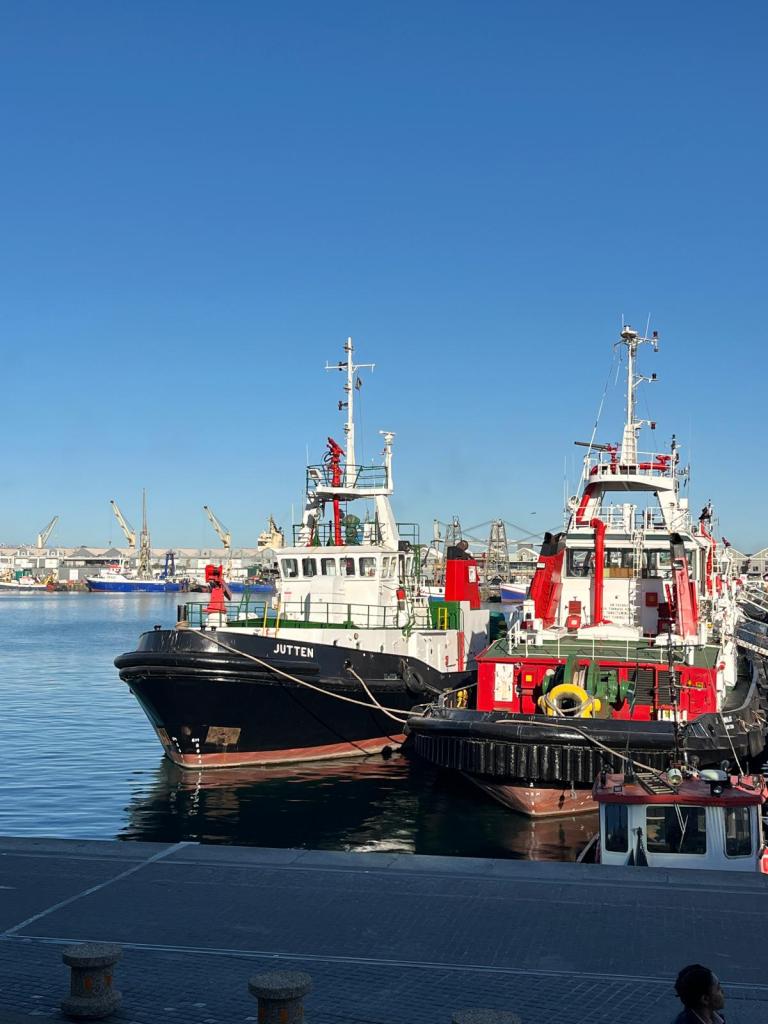
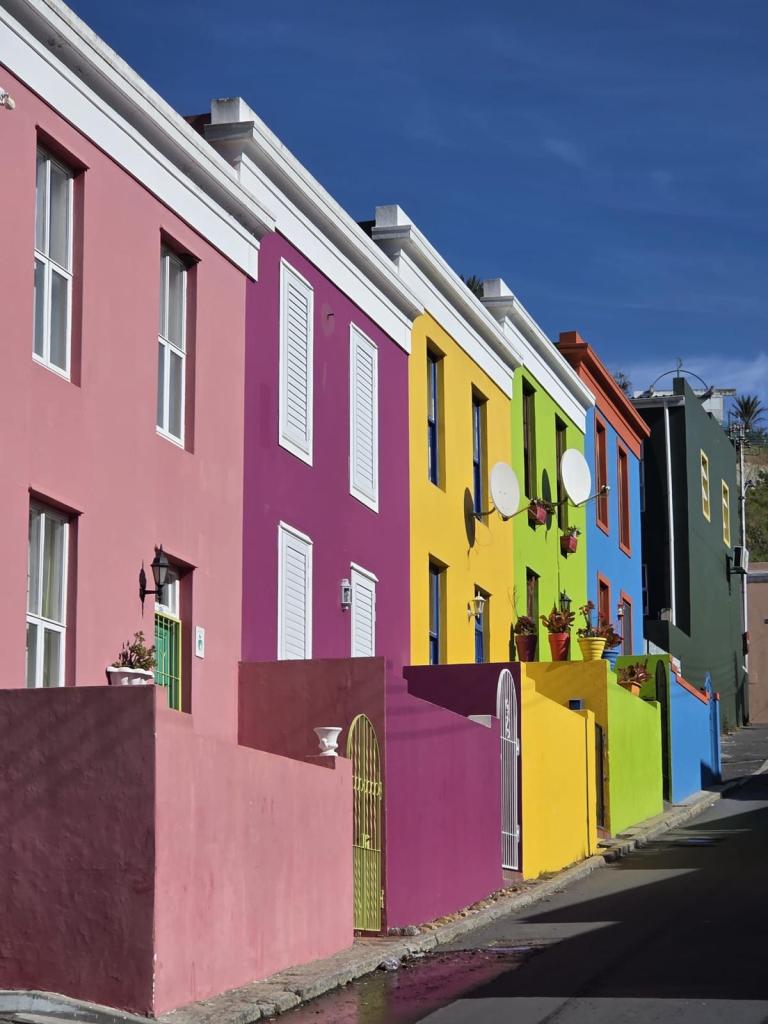
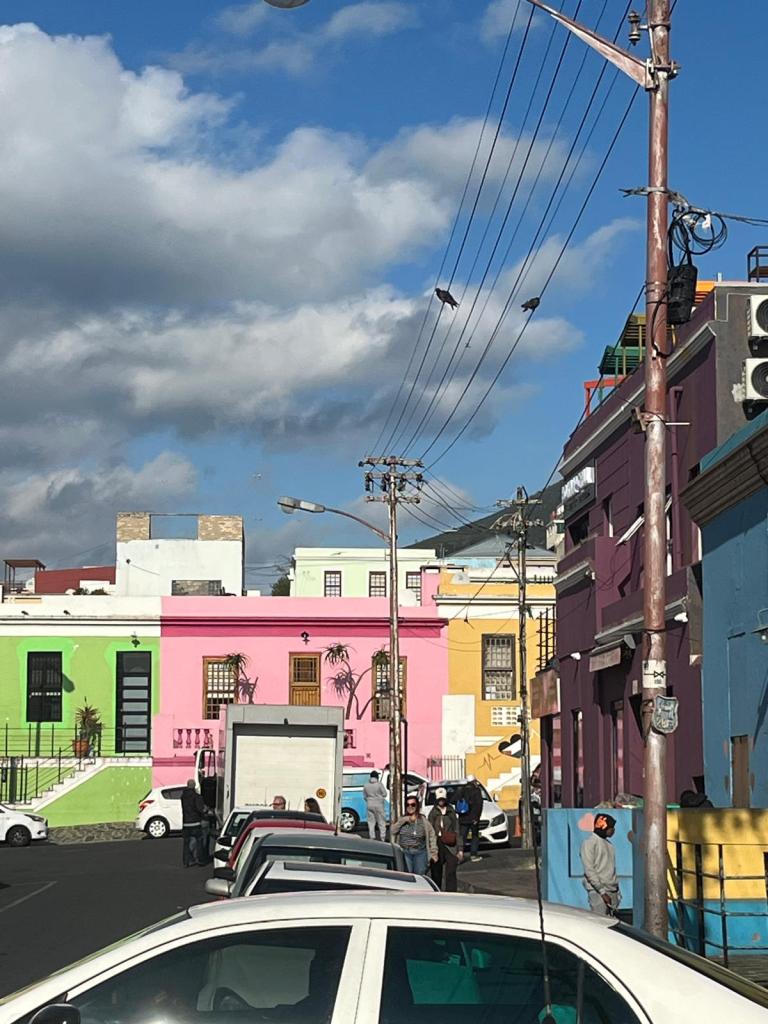
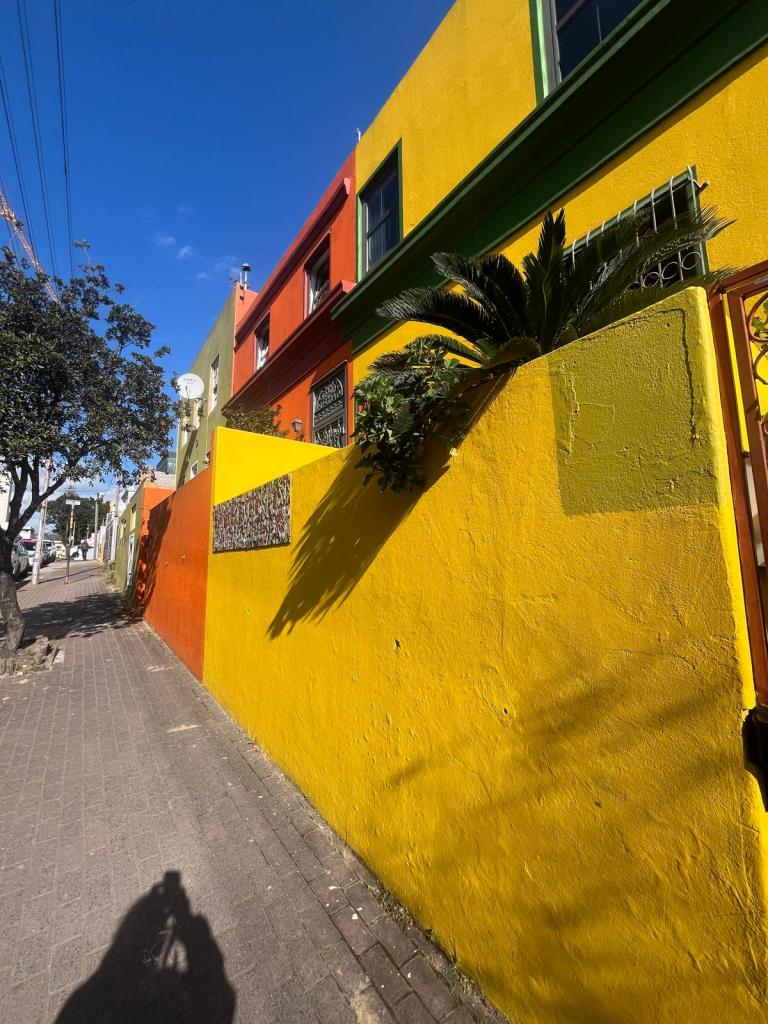
While in Cape Town, we also spent some time wandering through Bo-Kaap at the V&A Waterfront, which has grown markedly in size since I was last here. The shopping mall was next level, and there were so many options of places to both eat and drink. We opted to head back to the area near our hotel for our last night in the city and went to Mama Africa for a local cuisine experience.
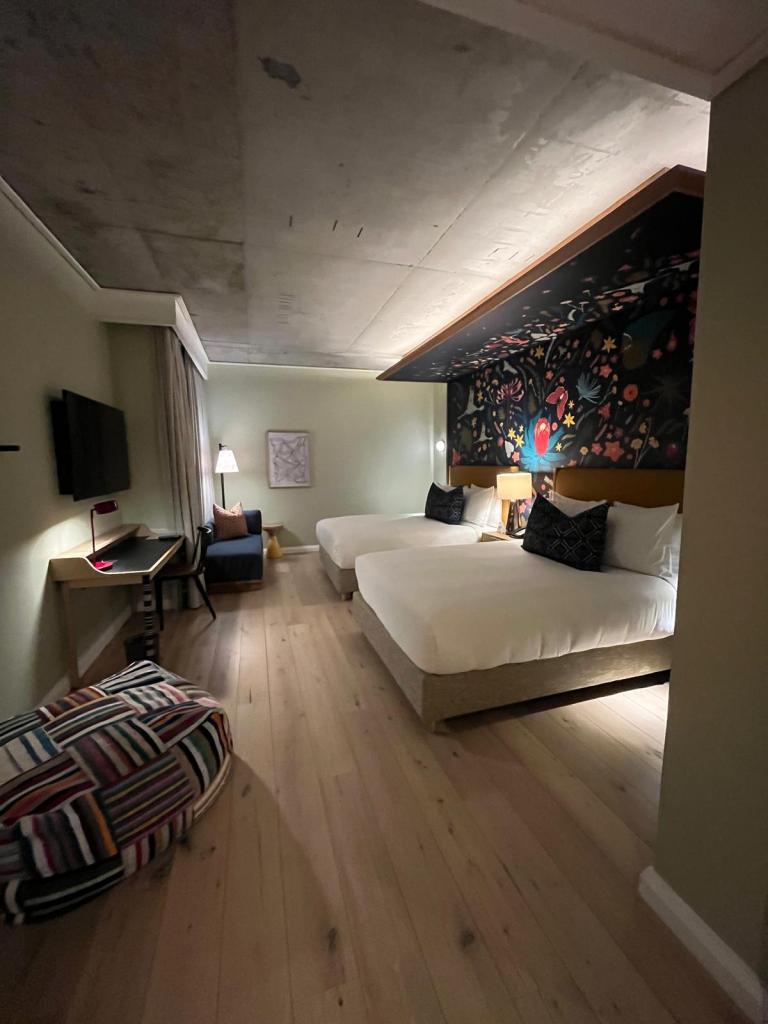
We stayed in both the Canopy by Hilton and the Pullman Cape Town. The Canopy was an exceptional, new hotel with a fantastic restaurant. The only downside was it was a little further away from the action. The Pullman was centrally located for walking to the V & A, Bo-Kaap, and the market. The rooms in both were spacious, and the service was friendly.
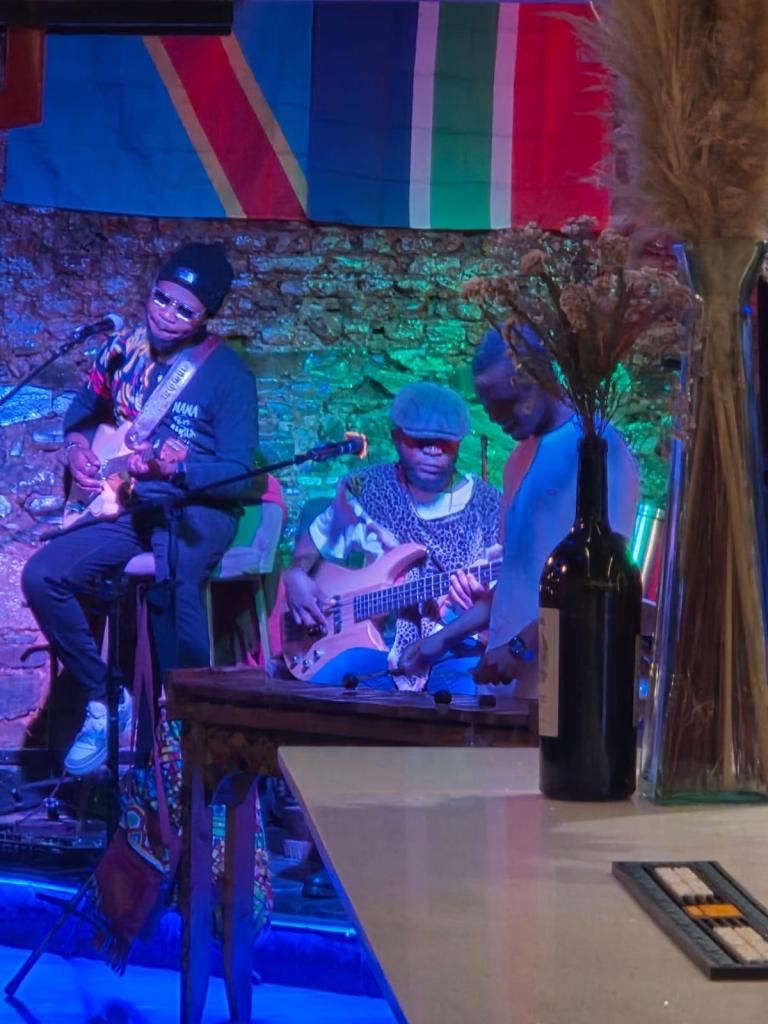
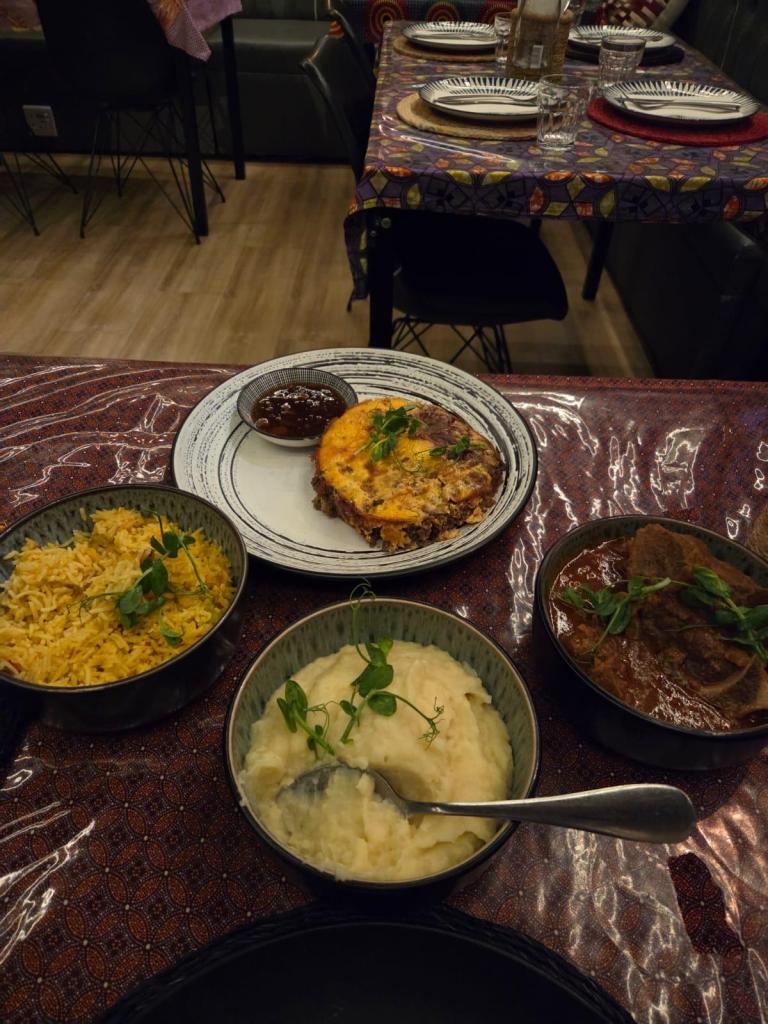
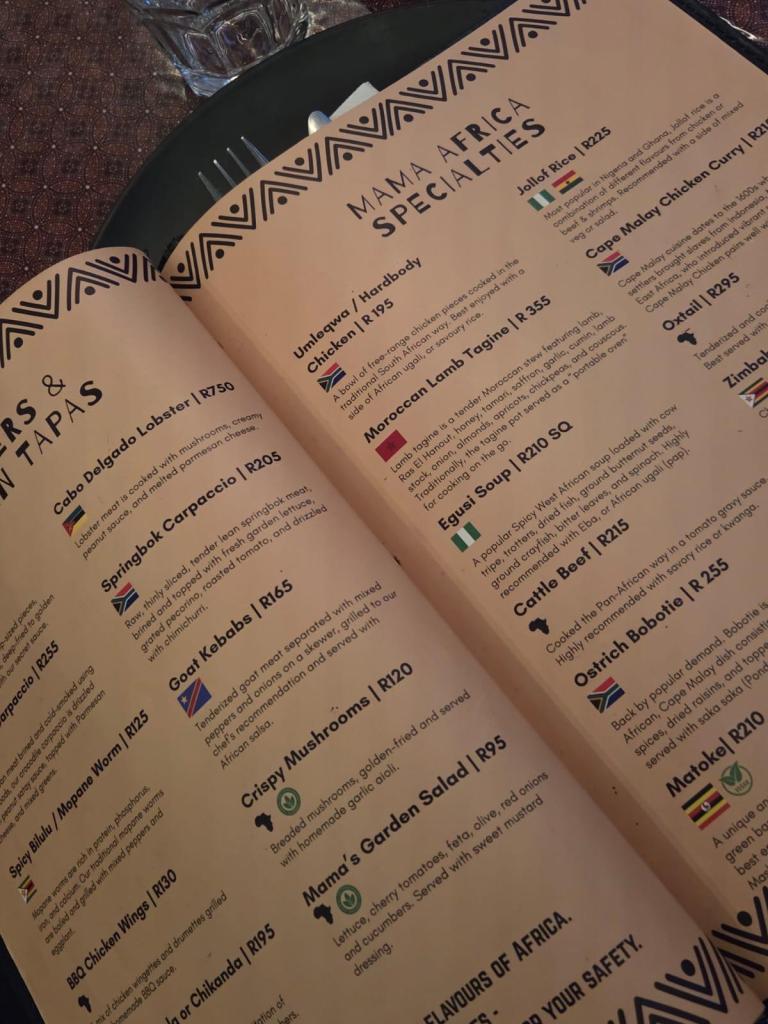
South Africa is a country I’d urge anyone to visit, but plan where you stay and how you will get around. Outside of gated or patrolled areas, be on your guard constantly. Don’t accept any offer of help at ATMs, and it even pays to be cautious of people in uniform who say they are security. Leave everything valuable at home and keep a good hold of your phone. It’s a minefield!
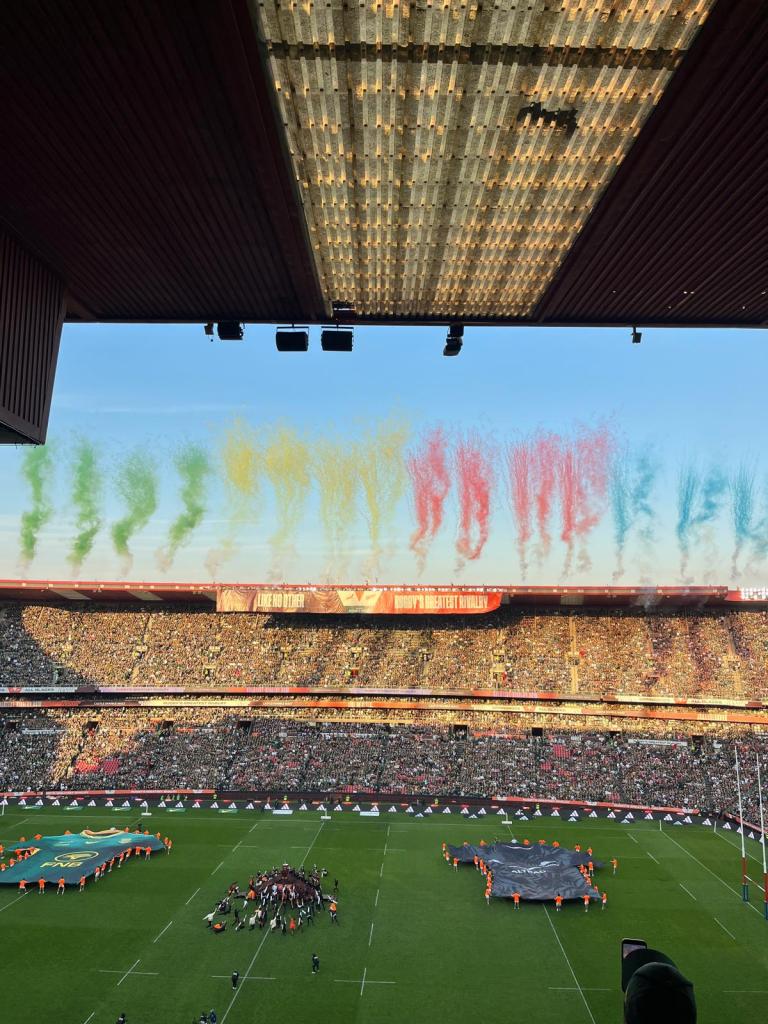
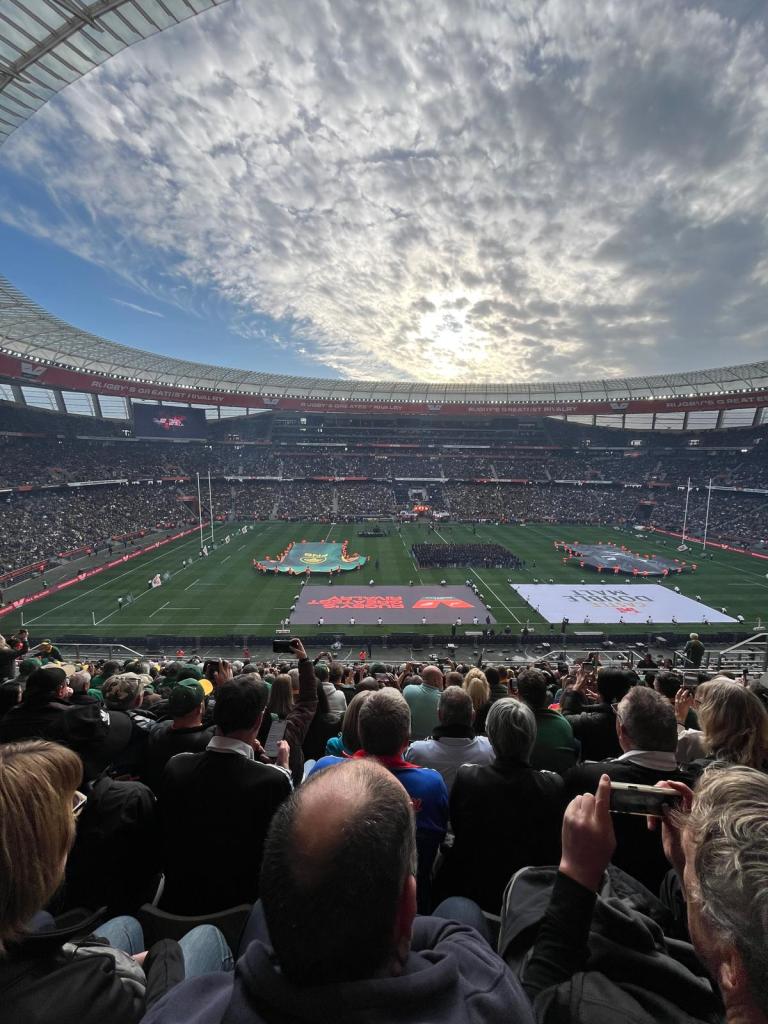
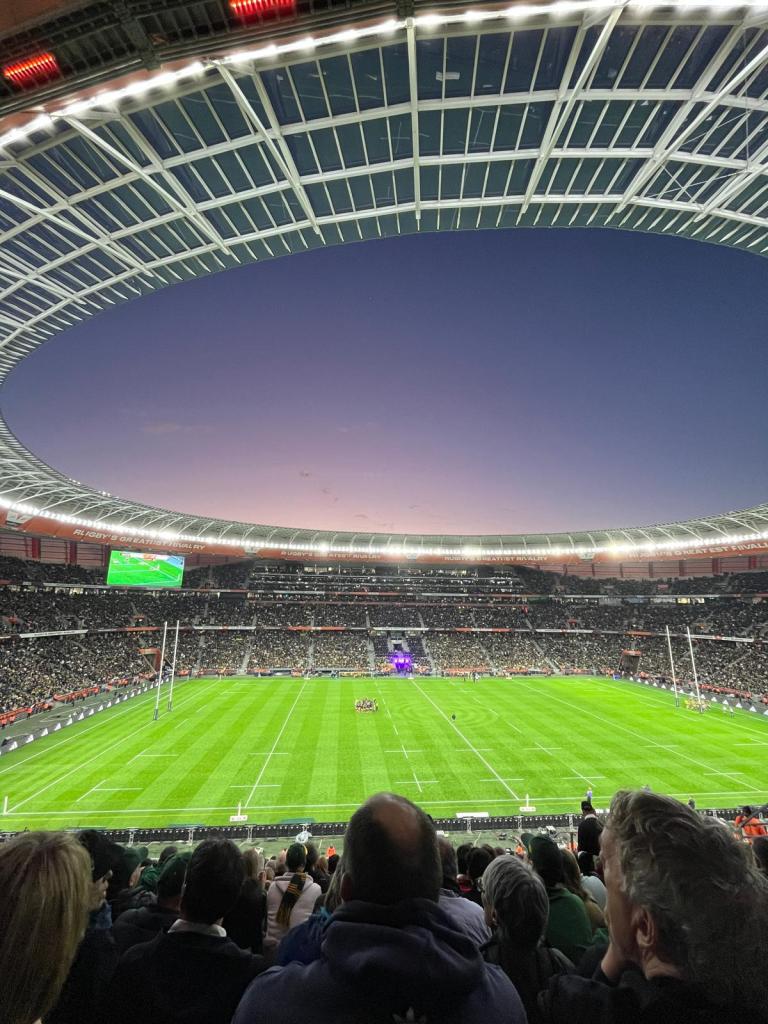
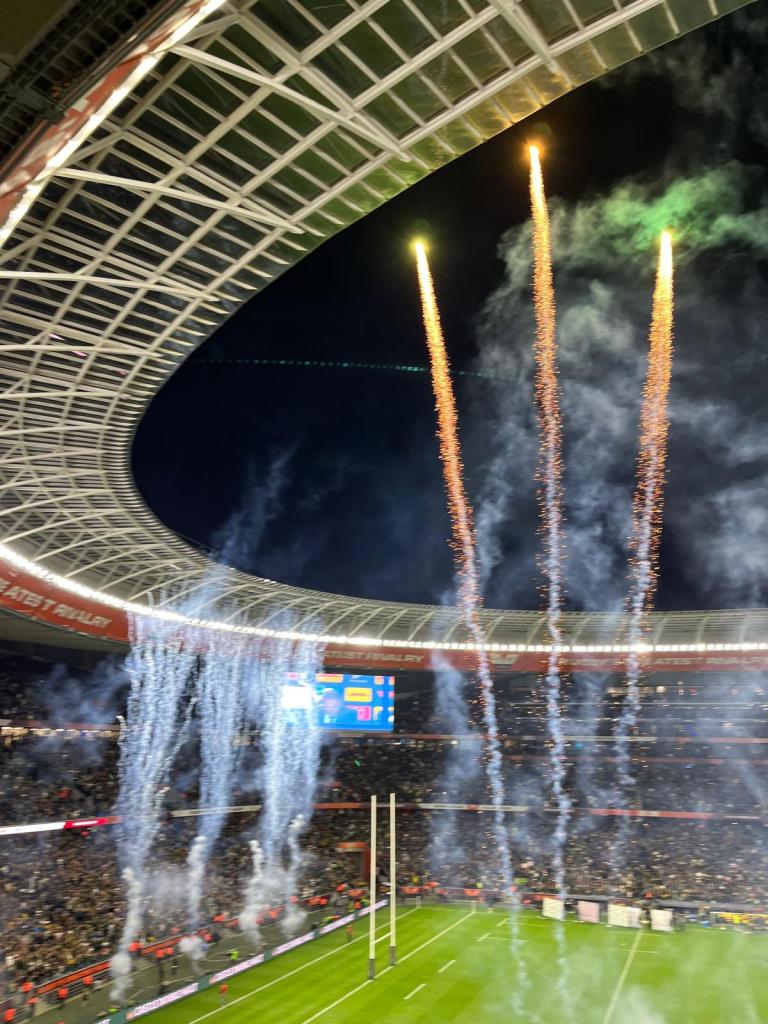
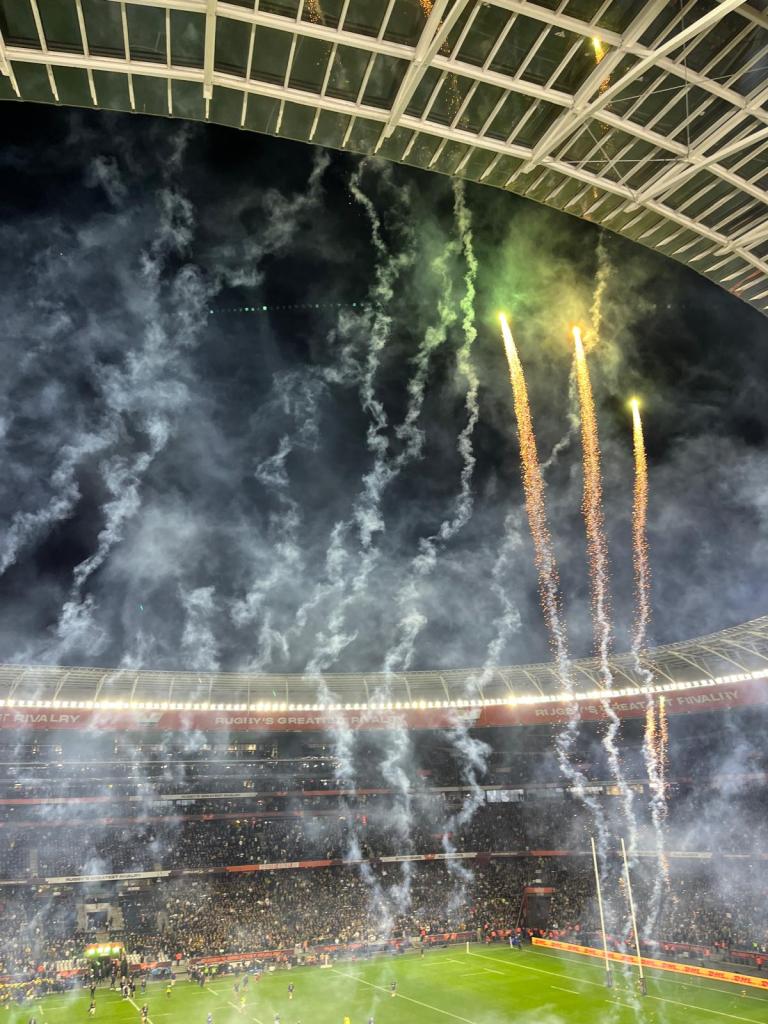
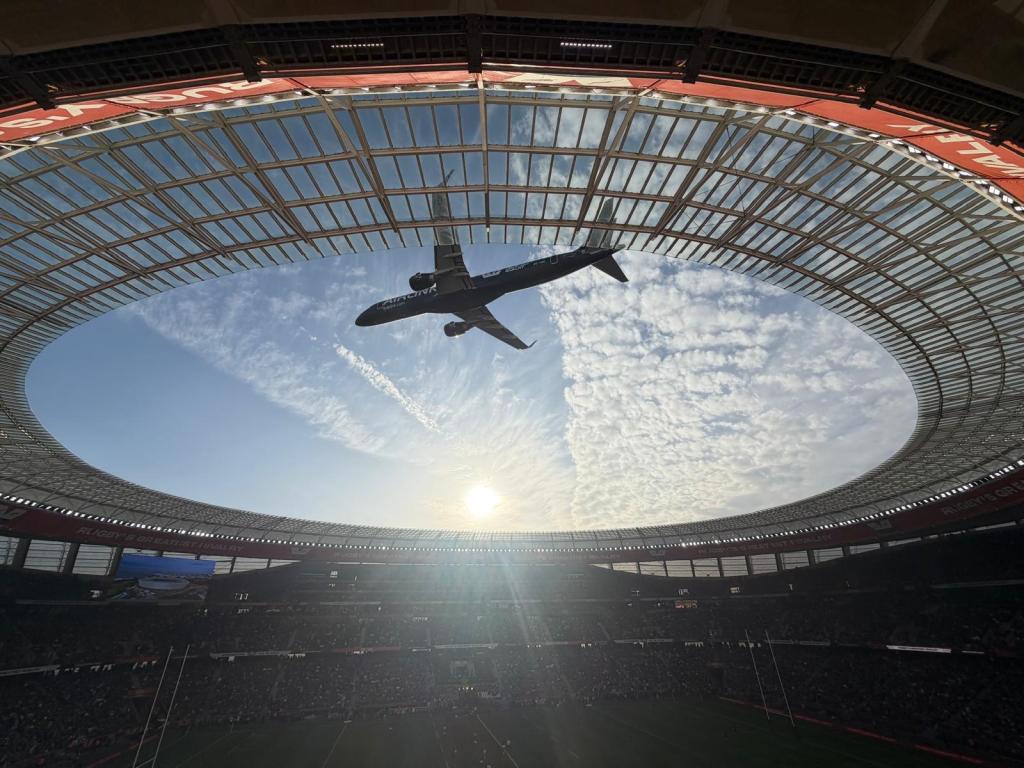
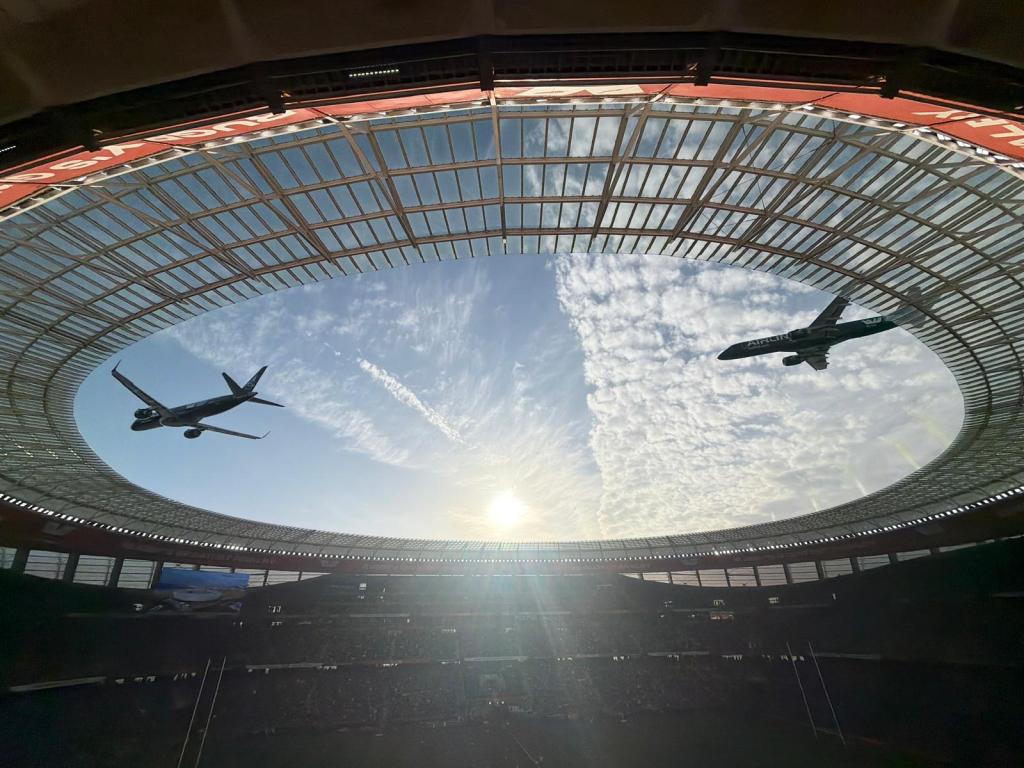
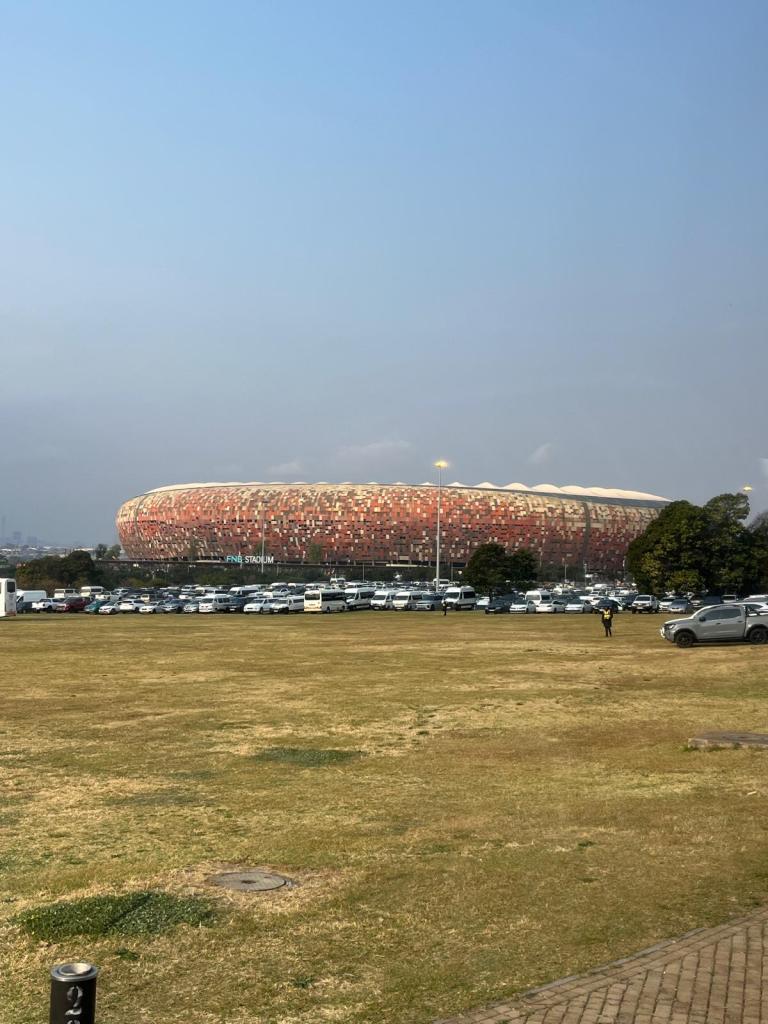
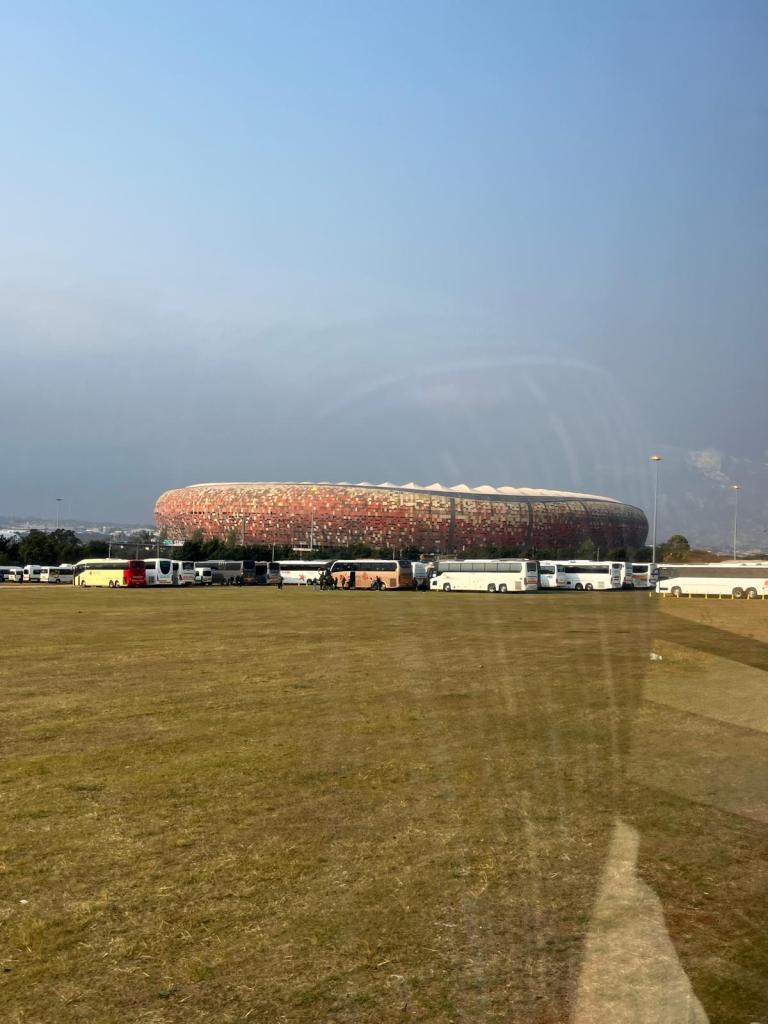
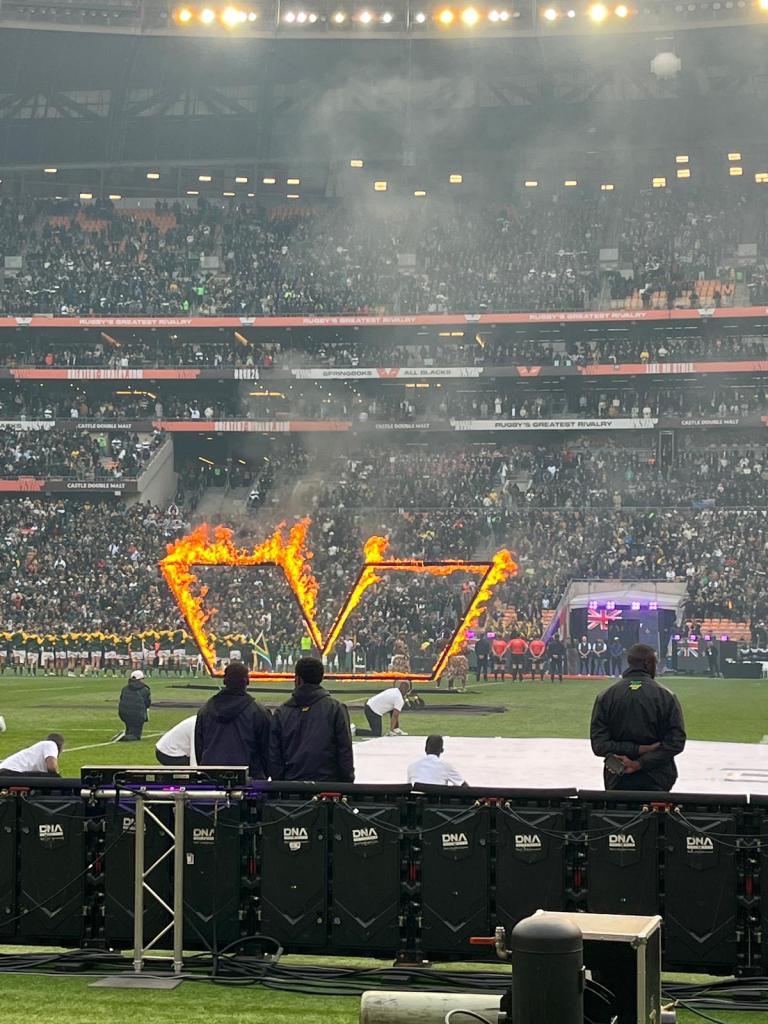
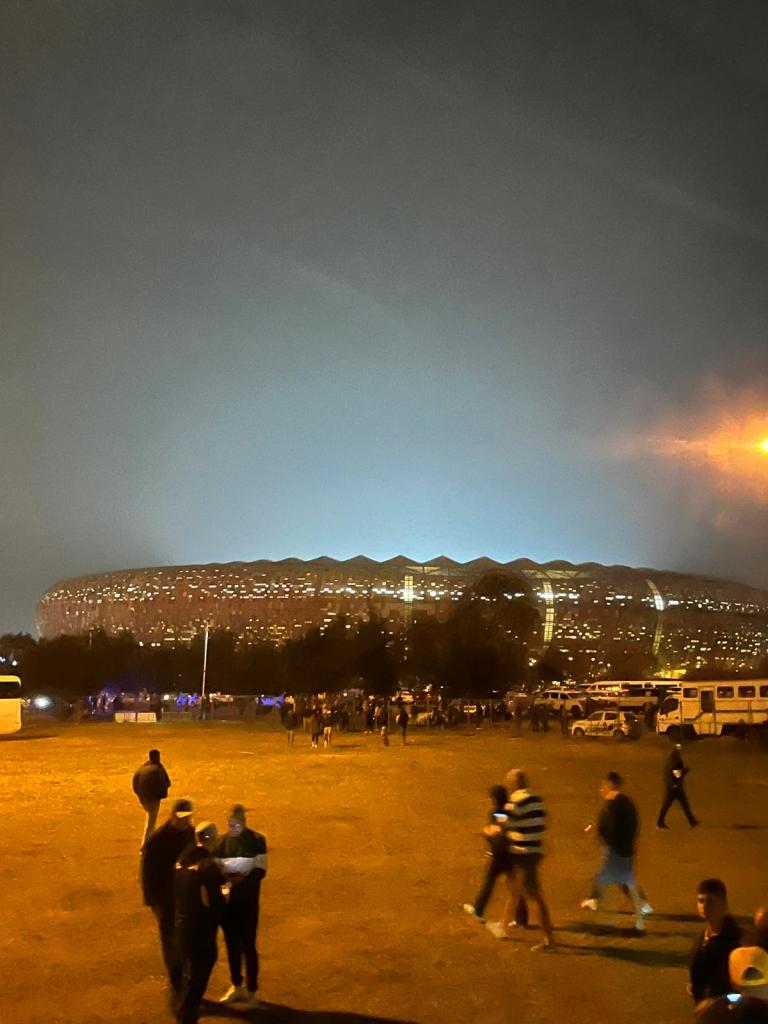
Now, the rugby. South Africa does rugby well. All three stadiums — Ellis Park, Cape Town Stadium, and FNB Stadium in Soweto — were amazing, with fantastic theatre put on surrounding the rugby, the most talked-about being the Cape Town flyover, where two jet planes skimmed the top of the stadium. South African fans are passionate about their team, make eating and drinking in the stadium a whole other sport, and love rugby banter. And they should. Although their team lost the first game, they won the rest of the series and showed why they are currently the world’s best.
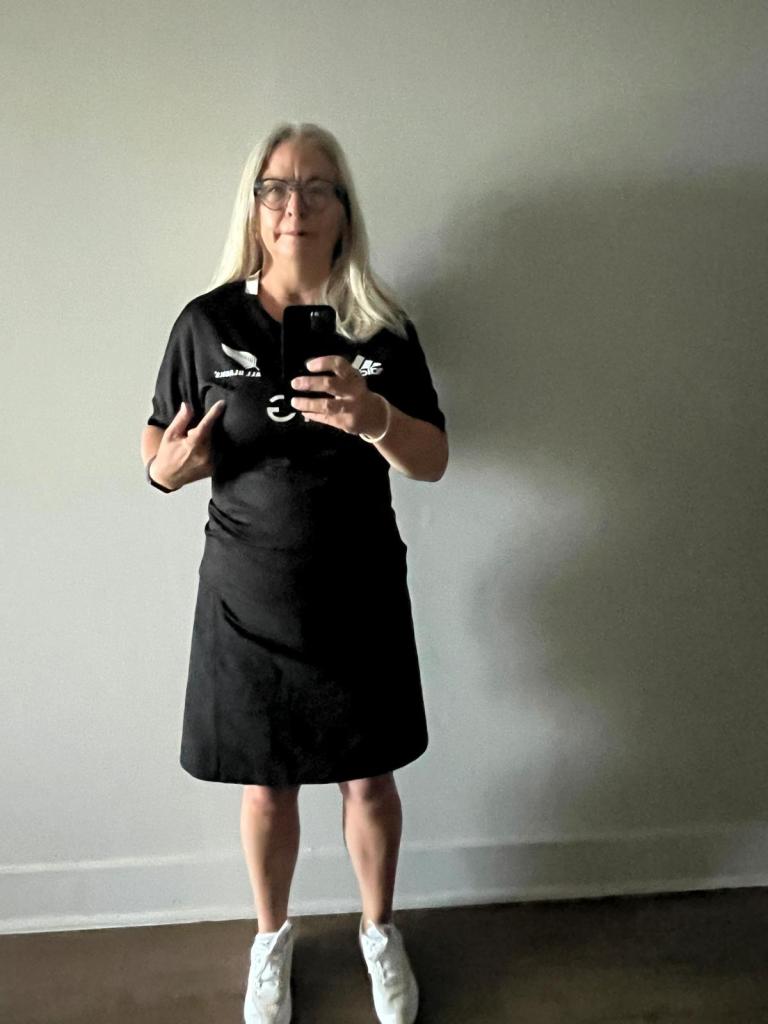
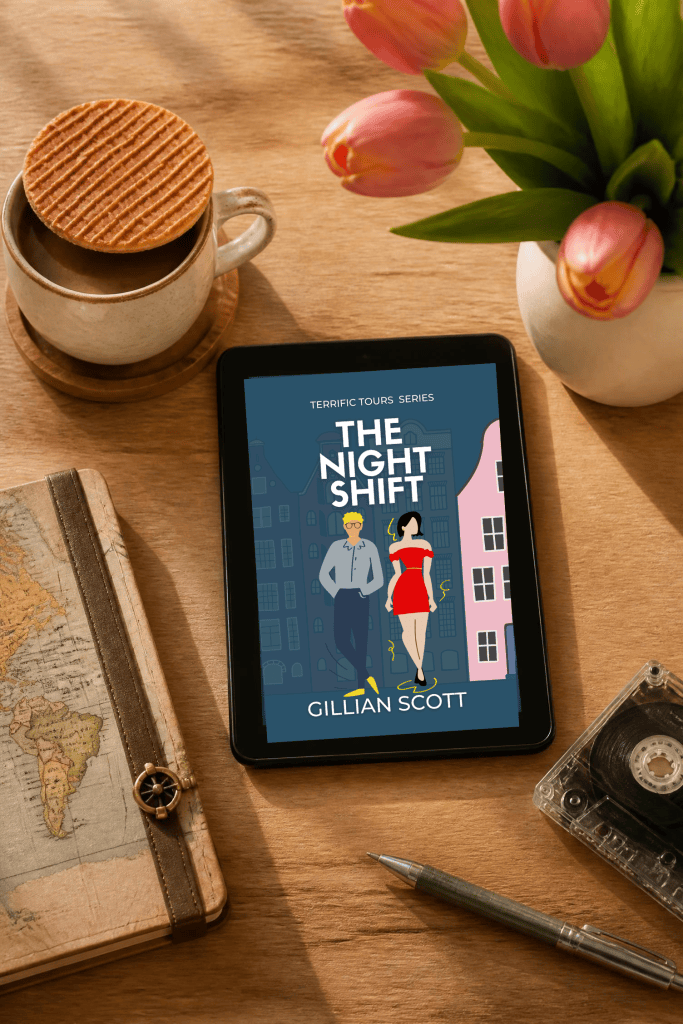
Ending with some shameless self-promotion. I’ve got a new book coming out in October. Written while I was travelling in the UK, it’s the fourth book in the Terrific Tours series and is set in Amsterdam.
Learn more here … https://books2read.com/u/4XqqAv


Leave a comment